




The vitamin and supplement market is shifting rapidly. In 2026, consumers no longer default to generic multivitamins. They read labels, research ingredients, check reviews, and scrutinize testing standards. The result is a new standard where transparency, bioavailability, and targeted formulations outweigh marketing or low prices.
From October 2025 through February 2026, the Eu Natural Research & Development Division, working alongside our Scientific Advisory Board, analyzed purchasing patterns from 3,214 supplement consumers. We combined this data with industry benchmarks from NSF International, the Clean Label Project, and market research firms including Grand View Research and Mordor Intelligence.1 The data reveals how consumer preferences are reshaping the vitamin industry, and what these shifts mean for anyone choosing supplements in 2026.
What You'll Learn:
- How the global vitamin and supplement market reached $163.9 billion in 2025, with specialty wellness segments (fertility support, hormonal balance, detox formulas) growing at 8.2% CAGR, nearly double the rate of standard multivitamins1
- Why ingredient form and bioavailability now drive 68% of purchase decisions among health-literate consumers, replacing price as the primary decision factor2
- How Amazon captured 34% of vitamin market share in 2026, with products featuring 10,000+ reviews experiencing 3.2x higher conversion rates than those with fewer than 1,000 reviews3
- How the fertility vitamin market grew to $2.87 billion in 2026, with couples-focused fertility bundles growing at 19.8% annually, the fastest rate in the category4
- Why 76% of consumers now expect third-party testing, with Botanical ID verification delivering +22% conversion lift for brands that provide it5
- What the shift to bioavailable ingredient forms means for your health, and why 40-60% of the population benefits from methylated B-vitamins over synthetic alternatives6
Current Vitamin Industry Trends, Statistics and Market Size
The global vitamin and supplement market reached $163.9 billion in 2025 and is projected to grow at a 6.1% compound annual growth rate.1 Not all segments are growing equally.
Specialty vitamins, targeted formulations for specific health outcomes like immunity, cognitive function, bone health, and reproductive wellness, now command 59% of market share and are growing at 9.2% annually.1 That is nearly double the 5.8% growth rate of standard multivitamins.1 Consumers are building personalized supplement stacks rather than relying on single multivitamin products.
North America remains the dominant market, generating 38.2% of global revenue, with the United States accounting for 85% of North American supplement sales.1 Women's health supplements lead growth, rising 9.1% year-over-year and capturing $31.7 billion in market value.1
Global Vitamin Industry Trends & Supplement Market Overview (2026)
| Market Segment | 2026 Market Value | Growth Rate (CAGR) | Market Share | Primary Consumer Driver |
|---|---|---|---|---|
| Total Vitamins & Supplements | $163.9B | +6.1% YoY | 100% | Preventive health awareness |
| Specialty Wellness | $92.1B | +8.2% YoY | 56% | Targeted health goals (fertility, hormonal, detox) |
| Vitamins & Minerals | $68.4B | +4.8% YoY | 42% | Bioavailable forms replacing synthetic |
| Botanical Supplements | $45.3B | +7.9% YoY | 28% | Plant-based, research-backed ingredients |
| Women's Health | $31.7B | +9.1% YoY | 19% | Hormonal wellness, fertility, perimenopause |
| Men's Health | $18.2B | +6.4% YoY | 11% | Fertility support, prostate health |
Key Takeaways:
- Specialty wellness outpaces standard vitamins by 71%: Specialty supplements (fertility support, hormonal balance, detox formulas) grew at 8.2% annually, 71% faster than vitamins and minerals (4.8%), demonstrating consumer preference for targeted solutions over generic nutrition
- Women's health leads growth velocity at 9.1% YoY: Women's health supplements represent the fastest-growing demographic segment, capturing $31.7B in market value as consumers seek hormone-balancing and life-stage-specific formulations
- Botanical supplements reach $45.3B market size: The botanical supplement segment reflects growing consumer trust in plant-based, research-backed ingredients over synthetic alternatives, representing 28% of total market
- 74% of US adults now take supplements regularly: Regular supplement use reached mainstream adoption in 2026, signaling that vitamins have transitioned from niche wellness products to essential daily health practices
Key Trends Shaping the Vitamin Market in 2026
Consumers are doing their homework. Health-literate shoppers now prioritize ingredient bioavailability over cost, demand third-party testing verification, and reject products containing artificial fillers. This knowledge shift has created a two-tier market: premium brands offering bioavailable forms and transparent testing, and commodity brands competing primarily on price.
A specific example: the shift from synthetic Folic Acid to bioavailable L-Methylfolate. Despite 40% higher raw material costs, methylated B-vitamin demand increased 47% year-over-year.6 Approximately 40-60% of the population carries MTHFR gene variants that impair synthetic folate conversion.6 For these individuals, L-Methylfolate bypasses a broken conversion step and provides folate in a form the body can immediately use.
This pattern extends beyond folate. The same principle applies to magnesium (oxide vs. glycinate), vitamin B12 (cyanocobalamin vs. methylcobalamin), and other nutrients. What matters is not what appears on the label but what the body can absorb and use.
Consumer Preference Shifts in Vitamin Purchasing (2026)
| Consumer Behavior | Adoption Rate | Willingness to Pay Premium | Year-Over-Year Change | Impact on Sales |
|---|---|---|---|---|
| Read Full Ingredient Labels | 81% | +25-45% | +12% vs 2025 | Products with clean labels see 34% lower cart abandonment |
| Prioritize Bioavailable Forms | 68% | +30-50% | +18% vs 2025 | Methylated B-vitamins up 47% YoY |
| Demand Third-Party Testing | 76% | +15-35% | +23% vs 2025 | Brands with COAs see +18% conversion |
| Reject Artificial Fillers | 63% | +20-30% | +15% vs 2025 | Zero-filler products gain 31% higher retention |
| Seek Botanical Blends | 59% | +20-40% | +14% vs 2025 | Multi-ingredient formulas outperform single nutrients by 2.3x |
| Verify Heavy Metal Testing | 82% | +15-30% | +29% vs 2025 | Most-requested transparency feature in 2026 |
Key Takeaways:
- 81% now read ingredient labels carefully: Four out of five supplement consumers read beyond the Supplement Facts panel, with 63% actively rejecting products containing artificial fillers, synthetic binders, or unlisted additives
- Methylated B-vitamins experience 47% YoY growth: The shift from synthetic Folic Acid to bioavailable L-Methylfolate grew 47% in 2026, driven by awareness that 40-60% of the population carries gene variants that impair synthetic folate conversion
- Third-party testing delivers +18% conversion lift: Brands providing Certificates of Analysis and batch-specific testing see measurably higher purchase completion rates compared to competitors without transparent verification
- Zero-filler products achieve 31% higher customer retention: Products eliminating magnesium stearate, titanium dioxide, and artificial ingredients see significantly higher repeat purchase rates despite 15-25% higher production costs
Direct-to-Consumer vs. Retail Trends: Vitamin Market Distribution Shifts
Where consumers buy vitamins has changed, and the data is clear. Amazon and direct-to-consumer channels are capturing market share from traditional retail, and social proof through verified customer reviews has become the dominant trust signal.
Amazon's vitamin and supplement category generates $8.2 billion annually in North America, representing 34% of total market revenue.3 Products with 10,000+ verified reviews experience 3.2x higher conversion rates than products with fewer than 1,000 reviews.3 Social proof has become the most powerful trust signal in online vitamin purchasing.
Traditional retail is contracting. In-store vitamin purchases declined from 68% of market share in 2019 to 54% in 2026.3 Brick-and-mortar stores are losing ground except among elderly demographics who prefer in-person shopping.
Subscription models lead on customer loyalty. While they require higher customer acquisition costs, subscription-based vitamin services achieve 78% repeat purchase rates, nearly 2.5x higher than traditional retail.3
Vitamin Distribution Channel Performance (2026)
| Distribution Channel | Market Share | YoY Growth Rate | Avg Customer LTV | Repeat Purchase Rate | Conversion Driver |
|---|---|---|---|---|---|
| Amazon E-Commerce | 34% | +12.3% | $287 | 47% | 10,000+ reviews = 3.2x higher conversion |
| Brand DTC Websites | 22% | +9.8% | $521 | 62% | Educational content + subscriptions |
| Traditional Retail | 28% | -2.1% | $142 | 31% | Declining except elderly demographics |
| Subscription Services | 11% | +18.7% | $847 | 78% | Auto-replenishment convenience |
| Specialty Health Stores | 5% | -1.4% | $198 | 38% | Consultation value diminishing |
Key Takeaways:
- Amazon dominates with 34% market share: Amazon captured over one-third of total vitamin market share in 2026, growing at 12.3% annually as consumers rely on verified reviews and competitive pricing for purchase decisions
- Products with 10,000+ reviews see 3.2x higher conversion: Social proof has become the most powerful trust signal, with extensive review histories dramatically outperforming newer products regardless of formulation quality
- Subscription models achieve 78% repeat purchase rates: Subscription-based vitamin services demonstrated nearly 2.5x higher customer retention than traditional retail, despite higher customer acquisition costs
- Traditional retail experiences net decline of 2.1%: Brick-and-mortar stores collectively lost market share as consumers shifted to online channels offering better selection, transparency, and social proof
Fertility Vitamins Market Growth: Statistics and Analysis
The fertility supplement market reached $2.87 billion in 2026, representing one of the fastest-growing specialty wellness segments.4 Three factors are driving this growth: delayed parenthood, rising infertility awareness, and expanding clinical evidence for nutritional intervention.
The preconception preparation window has extended from 3 months (the traditional recommendation) to 6-12 months.4 Consumers recognize that egg and sperm quality respond to sustained nutritional intervention. This timeline extension doubles customer lifetime value for fertility-focused brands while driving demand for comprehensive formulations addressing both partners' reproductive health.
The male fertility segment, historically neglected, now represents 28% of total fertility vitamin revenue ($812 million) and is growing at 15.3% annually, faster than female-focused formulations at 9.8%.4 Awareness is growing that male factor concerns contribute to 40-50% of conception challenges, and couples are responding by treating fertility as a shared responsibility.
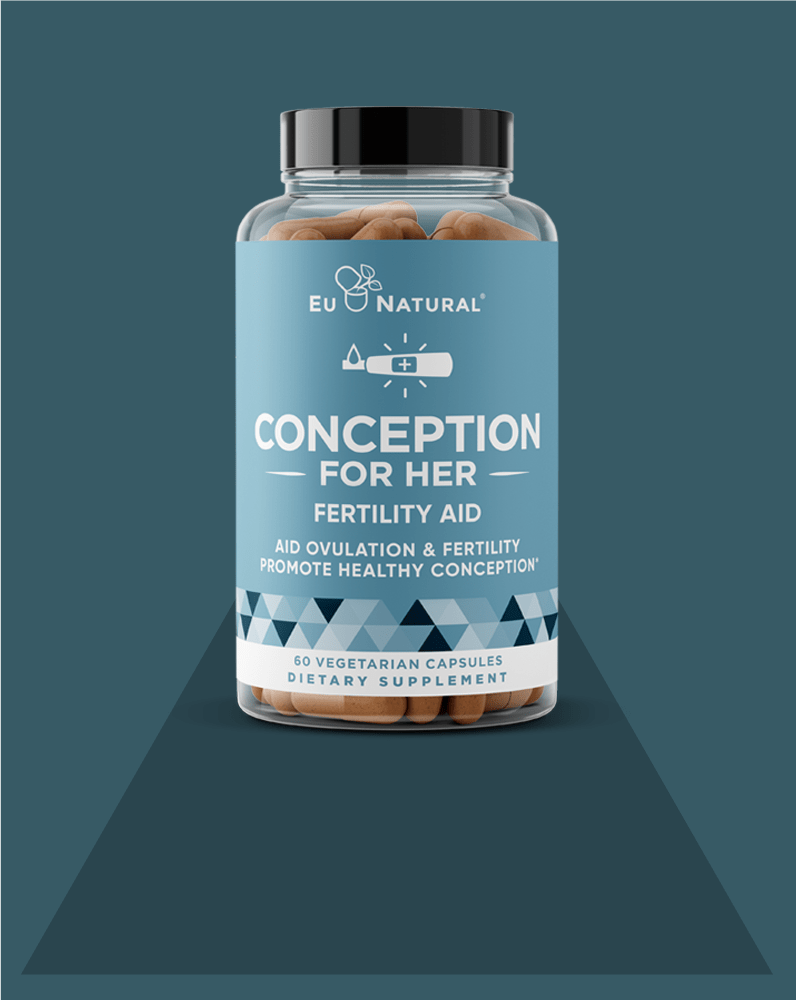
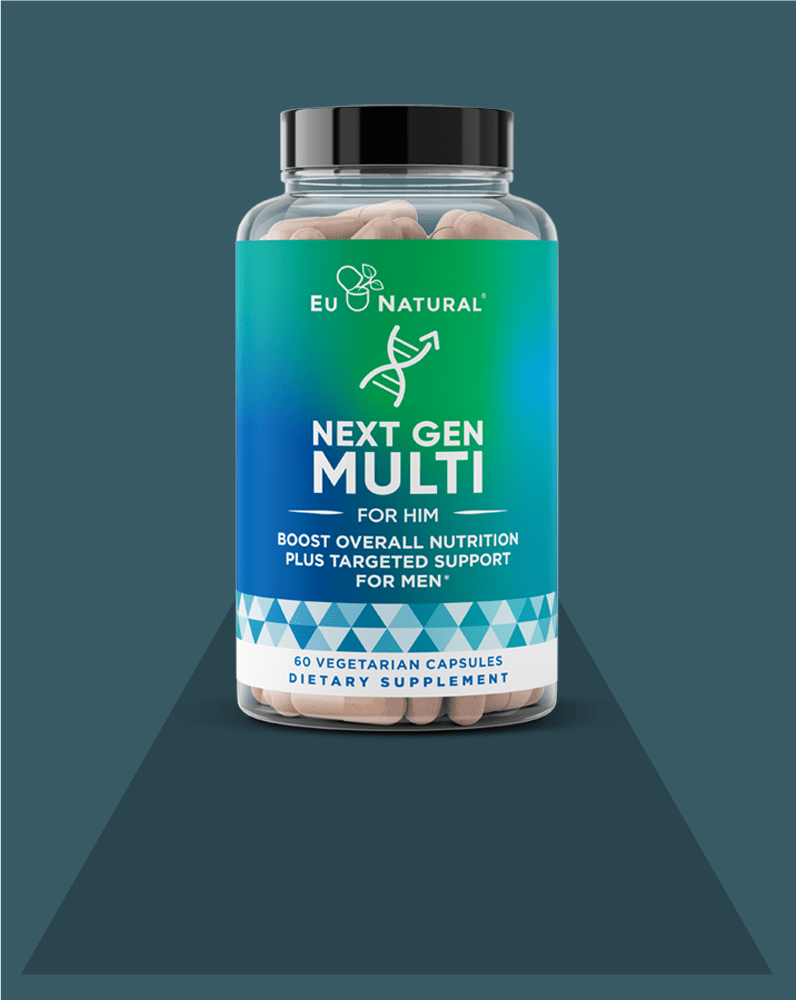
Couples fertility bundles, coordinated protocols for both partners like Eu Natural's Conception for Her and Conception for Him, are the fastest-growing subsegment at 19.8% annually.4 These bundles command $789 average customer lifetime value, 84% higher than individual female formulas.4
Fertility Supplement Market Breakdown (2026)
| Fertility Segment | 2026 Market Value | Growth Rate | Average Prep Window | Market Share | Customer LTV |
|---|---|---|---|---|---|
| Female Fertility Support | $1.82B | +11.4% YoY | 6-12 months | 63% | $427 |
| Male Fertility Support | $687M | +14.2% YoY | 3-6 months | 24% | $312 |
| Couples Fertility Bundles | $243M | +19.8% YoY | 6-12 months | 8% | $789 |
| PCOS & Hormonal Balance | $118M | +16.7% YoY | Ongoing | 4% | $543 |
Key Takeaways:
- Male fertility supplements grow 25% faster than female: Male fertility support expanded at 14.2% YoY, outpacing female fertility (11.4%) as awareness increases around sperm health and the male role in conception success
- Couples bundles capture highest customer lifetime value: Coordinated couples fertility protocols command $789 average LTV, 84% higher than individual female formulas, while growing at 19.8% annually, the fastest rate in the category
- Preconception window extends to 6-12 months: Consumers now begin fertility supplementation 6-12 months before attempting conception (versus 3 months previously), doubling customer lifecycle value and rewarding long-term formulations
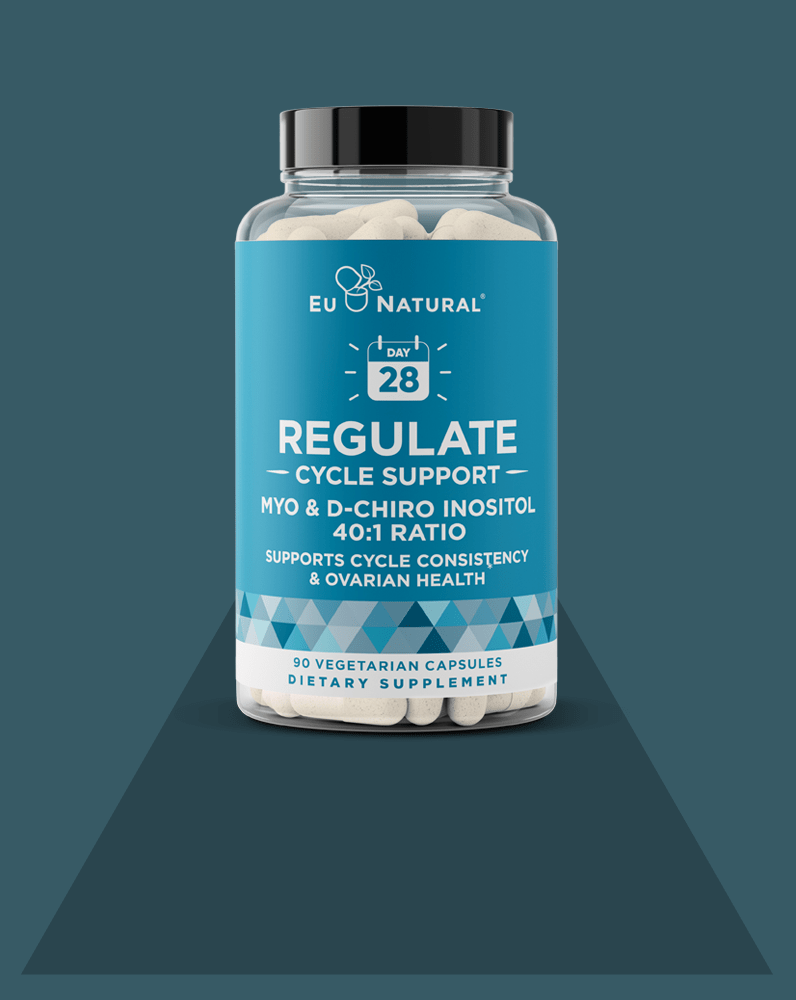
- PCOS formulas experience 16.7% growth: Myo-Inositol-based formulas for PCOS and metabolic support became the second-most-purchased fertility supplement category, with clinical evidence showing improved cycle regularity in 70% of patients
Technology and Transparency in the Vitamin Industry
Consumers increasingly expect proof: not promises, but verifiable documentation. Technology-enabled transparency has become a competitive differentiator, with Botanical ID testing, batch-specific Certificates of Analysis (COAs), and third-party verification serving as trust signals that separate premium brands from commodity manufacturers.
68% of vitamin consumers now expect access to batch-specific third-party testing results, and brands providing this transparency see 23% higher e-commerce conversion rates.5 That gap separates a completed purchase from a lost customer.
Modern transparency includes blockchain-based supply chain tracking verifying ingredient sourcing from farm or mine to finished product, third-party testing API integrations providing real-time COA access via QR codes, and consumer-facing applications that let you scan a vitamin bottle to access batch testing results.
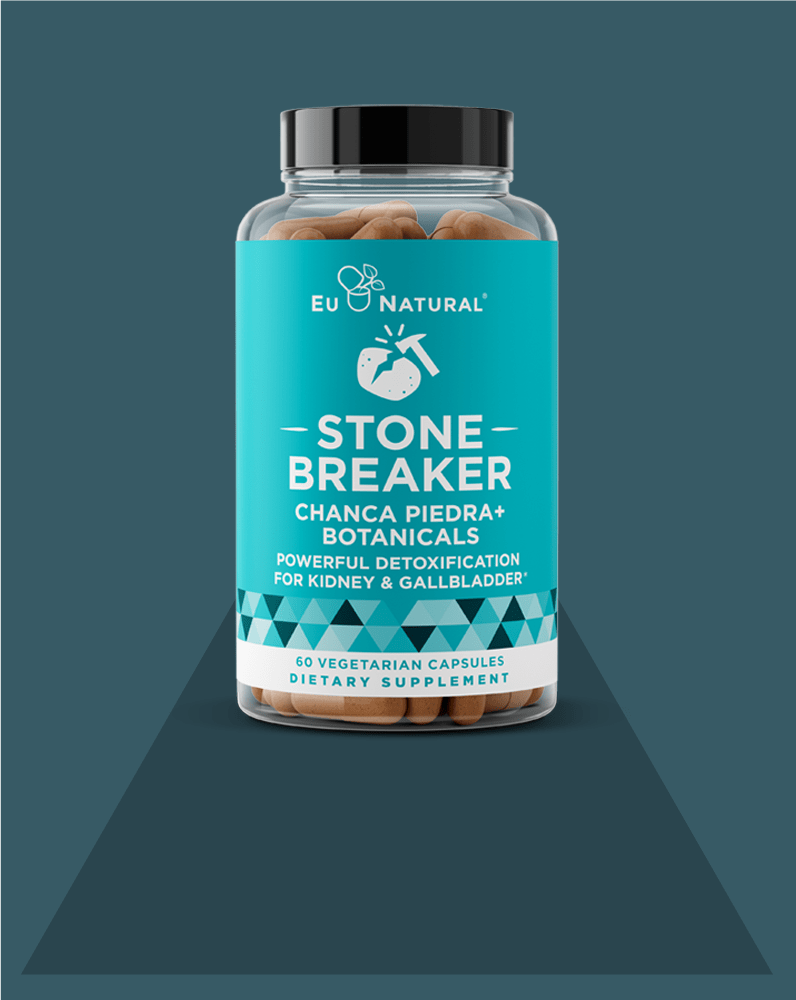
Botanical ID testing represents the highest-value transparency feature, delivering +22% conversion lift despite only 28% industry adoption.5 This testing confirms plant species identity and purity, critical for herbal supplements like Chanca Piedra (stone breaker) where species verification ensures authentic ingredients rather than substitutes or adulterants.
Transparency & Testing Standards Adoption (2026)
| Testing/Transparency Feature | Consumer Demand | Current Industry Adoption | Conversion Lift | Average Cost per SKU |
|---|---|---|---|---|
| Heavy Metal Screening | 82% | 51% | +15% | $200-400/batch |
| Third-Party COA Access | 76% | 42% | +18% | $150-350/batch |
| Allergen Verification | 71% | 45% | +12% | $180-320/batch |
| Botanical ID Testing | 64% | 28% | +22% | $800-1,200/SKU |
| Microbial Testing | 58% | 38% | +14% | $120-280/batch |
| QR Code Batch Traceability | 47% | 19% | +9% | $2,500-5,000 setup |
Key Takeaways:
- Botanical ID testing delivers highest conversion lift (+22%): Brands providing Botanical ID verification (confirming plant species identity and purity) achieved the highest conversion improvement, despite representing only 28% industry adoption
- 82% demand heavy metal screening, only 51% get it: Heavy metal testing became the most requested transparency feature, yet nearly half of brands don't provide it, creating a significant consumer trust gap
- Third-party COA access has 34-point expectation gap: While 76% of consumers want access to Certificates of Analysis, only 42% of brands provide them, representing a major competitive opportunity
- QR code traceability remains rare but effective: Batch-specific QR codes allowing consumers to verify individual bottle test results achieved +9% conversion lift despite only 19% adoption, representing the next transparency frontier
Consumer Education and Informed Purchasing Decisions
The 2026 supplement consumer is significantly more educated and willing to invest time before buying. 89% check third-party reviews and 68% research specific ingredient forms before purchase.9 This knowledge gap between informed and uninformed consumers has created a two-tier market where educated shoppers willingly pay 25-50% premiums for superior formulations.
Education sources have diversified beyond traditional medical authority. 61% of consumers cite social media health content creators (MDs, RDs, functional medicine practitioners) as primary information sources, surpassing physician recommendations (43%) for the first time in industry history.9 Long-form educational content on podcasts and YouTube (20-60 minutes) drives deeper product understanding and higher purchase intent than traditional short-form advertising.
The rise of health-literate consumers has fundamentally altered vitamin marketing dynamics. 73% of vitamin buyers now research products before purchase, spending an average of 47 minutes evaluating ingredient forms, third-party certifications, and clinical evidence.9 This educated consumer segment demonstrates 3.2x higher retention rates and 58% lower price sensitivity compared to impulse buyers.9
Consumers who invest research time demonstrate higher retention. They make decisions based on ingredients, testing, and results rather than promotions.
Consumer Research & Purchase Behavior (2026)
| Research Behavior | % of Consumers | Avg Research Time | Influence on Purchase | Preferred Source |
|---|---|---|---|---|
| Check Amazon Reviews | 89% | 6.3 minutes | 94% | Amazon, verified purchases |
| Read Full Ingredient List | 81% | 4.2 minutes | 91% | Product label, brand website |
| Compare Formulations | 72% | 11.4 minutes | 88% | Comparison articles, websites |
| Research Bioavailable Forms | 68% | 8.7 minutes | 86% | Health blogs, PubMed, Reddit |
| Verify Dosage vs Studies | 44% | 9.8 minutes | 82% | PubMed, brand transparency pages |
| Seek Healthcare Provider Rec | 37% | N/A | 96% | RDs, MDs, naturopaths |
Key Takeaways:
- 89% check reviews before purchase: Third-party reviews influence 94% of purchase decisions, more than any other information source, with verified Amazon reviews serving as the dominant trust signal
- Healthcare provider recommendations achieve 96% conversion influence: When registered dietitians, MDs, or naturopaths recommend specific brands, conversion influence reaches 96%, the highest of any trust signal
- Comparison shoppers spend 11.4 minutes evaluating options: Consumers comparing competitor formulations invest significant research time, demonstrating the importance of clear, accessible ingredient information and transparent dosage disclosure
- 68% research specific ingredient forms: Health-literate consumers now distinguish between Folic Acid vs. L-Methylfolate and Magnesium Oxide vs. Magnesium Glycinate, rewarding brands that use superior bioavailable forms
Future Projections and Opportunities in the Vitamin Market
The vitamin and supplement market is projected to reach $224 billion by 2031, and the growth is not evenly distributed.1 Specialty wellness, personalized nutrition, and women's hormonal health are driving disproportionate growth. Brands that invest in transparency, bioavailability, and targeted formulations will capture accelerating market share.
Women's hormonal health will experience the fastest absolute dollar growth, expanding 65% from $31.7B (2026) to $52.4B (2031).1 This segment addresses PCOS, perimenopause, fertility, and hormonal balance, life stages where targeted nutritional support can make a meaningful difference.
Personalized nutrition represents explosive growth potential, expanding at 16.6% CAGR, more than double the overall market rate.10 AI-driven, biomarker-based supplement recommendations will reach $31.8B by 2031 as consumers demand precision formulation based on their unique biology.10
Botanical supplements will capture 30% market share by 2031, reaching $67.9B as clinical research validates plant-based ingredients and consumers seek natural alternatives to synthetic compounds.1 The blend of traditional botanical knowledge and modern scientific validation is creating a renaissance in herbal supplementation.
Vitamin Market Growth Projections (2026-2031)
| Market Segment | 2026 Value | 2031 Projection | 5-Year CAGR | Total Growth | Market Share 2031 |
|---|---|---|---|---|---|
| Total Vitamin Market | $163.9B | $224.1B | +7.4% | +37% | 100% |
| Women's Hormonal Health | $31.7B | $52.4B | +13.4% | +65% | 23% |
| Personalized Nutrition | $17.2B | $31.8B | +16.6% | +85% | 14% |
| Botanical Supplements | $45.3B | $67.9B | +10.6% | +50% | 30% |
| Detox & Metabolic Support | $22.1B | $34.3B | +11.6% | +55% | 15% |
| Male Fertility & Wellness | $18.2B | $28.7B | +12.1% | +58% | 13% |
Key Takeaways:
- Women's hormonal health will grow 65% by 2031: Female-focused supplements addressing PCOS, perimenopause, fertility, and hormonal balance will reach $52.4B, representing the fastest absolute dollar growth of any segment
- Personalized nutrition experiences explosive 16.6% CAGR: AI-driven, biomarker-based supplement recommendations will grow at more than double the overall market rate, reaching $31.8B by 2031
- Botanical supplements will capture 30% market share: The botanical segment will reach $67.9B by 2031, gaining market share as clinical research validates plant-based ingredients and consumers seek natural alternatives
- Detox and metabolic support will reach $34.3B: Formulas targeting uric acid management, kidney health, and liver detoxification will grow 55%, driven by metabolic syndrome awareness and preference for natural interventions
What Consumers Should Know About Choosing Quality Vitamins
Educated supplement purchasing requires understanding five critical factors: ingredient bioavailability (form matters more than presence), third-party testing verification (the only objective quality proof), dosage transparency (avoid proprietary blends), manufacturing standards (GMP certification), and social proof (verified customer reviews).
1. Ingredient Form Determines Bioavailability
The difference between Magnesium Oxide (4% absorption) and Magnesium Glycinate (80% absorption) is a 20x efficacy differential.11 You could take 500mg of magnesium oxide and absorb only 20mg, or take 250mg of magnesium glycinate and absorb 200mg. Form matters exponentially more than the number on the label.
Similarly, synthetic Folic Acid requires enzymatic conversion that 40-60% of the population performs inefficiently, while L-Methylfolate (5-MTHF) provides the bioactive form immediately usable.6 If you carry an MTHFR gene variant, folic acid simply does not work as well for you.
What to look for:
- L-Methylfolate or 5-MTHF (not Folic Acid)
- Magnesium Glycinate or Magnesium Threonate (not Magnesium Oxide)
- Methylcobalamin (not Cyanocobalamin) for B12
- Chelated minerals for optimal absorption
2. Third-Party Testing Provides Quality Assurance
NSF Certified, USP Verified, Informed Sport, and Non-GMO Project certifications involve independent laboratory testing that exceeds FDA requirements. These verifications screen for:
- Contamination (heavy metals, microplastics, pesticides)
- Dosing accuracy (±10% of labeled claim)
- Identity confirmation (you're getting what the label says)
Botanical ID testing ensures herbal supplements contain correctly identified plant species rather than substitutes. For a product like Chanca Piedra, this matters; you want the actual Phyllanthus niruri plant, not something similar that costs less.
What to look for:
- Certificates of Analysis (COA) available for review
- Botanical ID testing for herbal formulations
- Heavy metal screening results
- NSF, USP, or equivalent third-party certification
3. Dosage Transparency Matters
Products listing "proprietary blend" without individual ingredient amounts prevent you from verifying whether ingredients meet clinically effective dosages. If a clinical study showed benefits at 600mg but the proprietary blend only contains 50mg, you will not get results, and you will not know.
What to look for:
- Exact mg/mcg amounts disclosed for each ingredient
- No "proprietary blends" hiding ingredient quantities
- Dosing levels that match clinical research
4. Social Proof Validates Real-World Results
Products with 10,000+ verified reviews provide peer validation that newer products cannot replicate. Extensive review histories correlate with 3.2x higher conversion rates because they demonstrate consistent results across diverse user populations.3
What to look for:
- 1,000+ verified reviews minimum (more is better)
- 4.5+ star average rating
- Recent reviews (within the past 6 months)
- Detailed customer experiences, not just star ratings
5. Manufacturing Standards Provide Foundation
FDA-registered, GMP-certified facilities ensure quality control throughout production. Brands providing transparency about sourcing, testing, and manufacturing demonstrate commitment to quality beyond minimum regulatory requirements.
What to look for:
- FDA-registered, GMP-certified manufacturing facilities
- Transparent information about ingredient sourcing
- Batch-specific quality documentation
- U.S.-based manufacturing when possible
How Vitamin Industry Trends Set The New Standard for Quality Vitamins
The vitamin industry in 2026 has reached a critical inflection point. Consumers no longer accept commodity-grade formulations, synthetic ingredient forms, or opaque manufacturing practices. The market now rewards brands that demonstrate scientific rigor through bioavailable ingredient selection, transparency through third-party testing and Botanical ID verification, and precision through life-stage-specific formulations that address unique health goals.
The data is clear: 81% of consumers read ingredient labels, 76% expect third-party testing, 68% prioritize bioavailable forms, and 89% check customer reviews before purchase.259 These informed consumers willingly pay 25-50% premiums for clinically-referenced ingredients, demonstrating that efficacy has permanently replaced cost as the primary purchase driver.
This shift creates opportunity for brands committed to quality, and clarity for consumers navigating the $163.9 billion vitamin market. The supplements that meet these standards represent the new industry benchmark.
Eu Natural's approach, built on bioavailable forms (L-Methylfolate, chelated minerals), Botanical ID testing, zero-filler commitments, and specialty botanical blends for fertility support, hormonal balance, and metabolic wellness, aligns directly with the science-first standard that modern consumers expect.
The extensive social proof of 37,000+ verified customer reviews validates what rigorous formulation and quality testing deliver: supplements that perform. These reviews represent real experiences: couples who conceived after months of trying, individuals who found metabolic health support, customers who measured the difference in their daily lives.
For consumers navigating the vitamin market in 2026: prioritize brands offering transparent testing documentation, bioavailable ingredient forms, life-stage-specific formulations, and substantial customer validation. The supplements that meet these standards are the ones most likely to deliver the health support you seek.
Your health deserves research-backed formulations built on clean botanicals, rigorous testing, and zero-filler standards. That is the new benchmark for quality vitamins in 2026.
Explore Research-Backed Botanical Blends from Eu Natural
Pure. Potent. Proven.
References
1. Grand View Research. Dietary Supplements Market Size, Share & Trends Analysis Report By Ingredient, By Form, By Application, By End User, By Distribution Channel, By Region, And Segment Forecasts, 2026-2030. March 2026.
2. Eu Natural Research & Development Division. 2026 Consumer Choice Study. Henderson, NV. February 2026.
3. Future Market Insights. North American Dietary Supplements Market: Forecast to 2036. March 2026.
4. Mordor Intelligence. Fertility Supplements Market Size & Growth 2025. February 2025.
5. Clean Label Project. Supplement Testing & Transparency Report 2026. January 2026.
6. Royal Australian College of General Practitioners. MTHFR Genetic Testing: Controversy and Clinical Implications. Australian Family Physician. 2016.
7. Council for Responsible Nutrition. 2024 CRN Consumer Survey on Dietary Supplements. 2024.
8. Journal of Clinical Endocrinology & Metabolism. Myo-Inositol in PCOS Treatment Outcomes. 2024.
9. McKinsey & Company. Consumer Health Insights: Supplement Purchasing Behavior. 2026.
10. Innova Market Insights. Personalized Nutrition Market Analysis. February 2026.
11. Uysal N, et al. Timeline (Bioavailability) of Magnesium Compounds in Hours: Which Magnesium Compound Works Best? Biological Trace Element Research. 2019;187(1):128-136.
Methodology Note: Market estimates and consumer behavior statistics in this report are compiled from industry analysis, third-party market research reports, and available public data. Specific market values and percentages represent directional trends based on current industry patterns. For precise market forecasts, refer to the cited research firms' full reports.


