




If you've ever stood in the supplement aisle feeling confused, you're not alone. In 2026, choosing the right supplement can feel overwhelming. With so many options making big promises, it's hard to know which products actually contain quality ingredients that your body can absorb and use. You deserve transparency, and you deserve supplements that work.
From January 2025 through February 2026, the Eu Natural Research & Development Division analyzed purchasing behavior from 2,847 supplement consumers alongside industry benchmarks from NSF International, USP, and the Clean Label Project. This report examines the key trends driving consumer choices in natural health supplements, with particular focus on bioavailability, targeted metabolic support, and clean-label transparency. Our dataset includes transaction data, consumer surveys, and third-party market reports covering the North American supplement market. These findings were reviewed by our Scientific Advisory Board to ensure clinical accuracy and represent the most comprehensive analysis of precision wellness trends available in 2026.
What You'll Discover:
-
The rise of targeted wellness: Specialty supplements designed for specific needs are growing at 7.5% year-over-year, nearly double the rate of standard multivitamins.1 We'll show you why personalized "supplement stacks" are becoming the new standard.
-
Why ingredient form matters: Not all vitamins are created equal. Discover why demand for methylated B-vitamins has increased 42% year-over-year,7 and what that means for your body's ability to actually use what you're taking.
-
Women's health is evolving: From fertility support to PCOS management to perimenopause care, we'll explore the four key areas where targeted supplements are making a real difference in women's lives.
-
The GLP-1 connection: If you're on GLP-1 medications, you're part of a growing group seeking nutritional support. Learn about the $4.1B supplement category designed specifically to fill nutrient gaps.1
-
Quality is worth it: 70% of health-conscious consumers are choosing to invest more in supplements with proven bioavailability and clinical backing. We'll help you understand what to look for.
Supplement Trends 2026: The Shift to Targeted Wellness
The 2026 market marks a significant shift away from generic nutrition. Consumers are moving toward precision-formulated, bioavailable, and life-stage-specific solutions. This trend reflects a move toward more intentional, results-driven wellness. The North American dietary supplements market reached $85.1 billion in 2026, with projections to grow at 7.5% annually through 2036.1 This expansion is driven by aging population health management, preventive wellness adoption, and clinical-grade supplement mainstreaming.
Supplement Trend Overview by Category — 2026
|
Category |
2026 Est. Value |
Growth Rate |
Primary Driver |
Consumer Signal |
|
Vitamins & Minerals |
$65.1B |
+5.4% YoY |
Methylated & chelated forms |
Shoppers are upgrading from synthetic Folic Acid to bioactive equivalents. |
|
Specialty Supplements |
$28.4B |
+7.5% YoY |
Gut, brain & hormonal support |
Fastest-growing segment. Consumers are building personal "stacks" for targeted needs. |
|
Personalized Nutrition |
$15.97B |
15% CAGR |
AI & biomarker subscriptions |
Precision formulation commands 2-3x pricing premiums over mass-market products. |
|
Weight Mgmt / GLP-1 |
$4.1B |
12.2% CAGR |
Nutrient-gap filling |
Users on GLP-1 medications need targeted protein, fiber, B12, and magnesium. |
|
Beauty-from-Within |
$9.4B |
+6.0% YoY |
Collagen, NAD+, Gut-Skin Axis |
46% of global consumers now define beauty as an expression of internal health. |
Note: Categories may overlap as products often span multiple segments (e.g., a women's hormonal support formula may be counted in both Specialty Supplements and Women's Health categories).
Key Takeaways:
-
Specialty supplements outpace standard vitamins: Specialty supplements grew at 7.5% year-over-year, outpacing vitamins and minerals (5.4%) by nearly 40%.1 Consumers are building targeted supplement "stacks" for gut health, brain function, and hormonal support rather than relying on single multivitamins.
-
GLP-1 creates unexpected growth driver: The GLP-1 companion market reached $4.1B globally in 2026, with North America generating 83% of total market value as medication users seek targeted nutrients to fill absorption gaps.1 GLP-1 receptor agonist adoption is generating new supplement demand for protein, fiber, and micronutrient products aimed at addressing nutritional gaps associated with reduced caloric intake.
-
Personalized nutrition commands premium pricing: AI-driven and biomarker-based subscription platforms charge 200-300% premiums over mass-market equivalents,2 demonstrating that precision formulation has become the expected standard rather than a luxury feature. The personalized nutrition market was valued at $15.97 billion in 2025 and is projected to reach $48.57 billion by 2033, growing at a CAGR of 15.03%.
The Bioavailability Imperative: Why Ingredient Form Matters
In 2026, label literacy has reached an all-time high. Consumers no longer look for an ingredient alone; they look for the specific form that crosses the blood barrier efficiently. As Future Market Insights reports, vitamins hold 27.2% of market value in 2026, driven by vitamin D, C, and B-complex demand across preventive wellness and immune support categories.1
Consumer Preference by Ingredient Bioavailability — 2026
|
Nutrient Group |
Old Pattern |
2026 Pattern |
What It Means for Brands |
|
Trust & Transparency |
Brand reputation alone |
Label literacy + 3rd-party COAs |
80%+ of buyers cite supply-chain traceability as a top purchase factor. |
|
B-Vitamins |
Folic Acid |
L-Methylfolate (5-MTHF) |
Demand for methylated B-vitamins is up +42% YoY. |
|
Minerals |
Magnesium Oxide |
Chelated Magnesium |
Informed buyers reject forms with low (4%) absorption efficiency. |
|
Price Sensitivity |
Lowest unit cost wins |
Premium for efficacy |
70%+ of shoppers will pay a 25-50% premium for branded, clinically-referenced ingredients. |
Key Takeaways:
-
Methylfolate demand increases 42% year-over-year: The shift from Folic Acid to L-Methylfolate (5-MTHF) grew 42% in 2026,7 driven by awareness that approximately 40% of the global population carries an MTHFR gene variant that blocks synthetic folate conversion. The global L-5-MTHF market is experiencing significant growth primarily due to increasing awareness of MTHFR gene mutations affecting folate metabolism.
-
Consumers reject low-absorption mineral forms: Magnesium Oxide (4% absorption rate) is being replaced by chelated forms such as Magnesium Glycinate and Magnesium Threonate as consumers prioritize bioavailability over unit cost. This pattern reflects the broader trend of informed buyers actively seeking forms with higher absorption efficiency.
-
Efficacy replaces cost as primary decision factor: 70% of health-literate consumers will pay 25-50% premiums for clinically-referenced ingredients.1 Brands providing third-party Certificates of Analysis (COA) saw conversion rates 18% higher than competitors without transparent documentation. Store-based distribution holds 59.4% share in 2026, with pharmacy chains and mass retailers anchoring volume, while personalized nutrition platforms compress traditional retail distribution margins by converting consumers to subscription models.
Women's Health & Hormonal Balance: A 2026 Deep Dive
The fertility supplement market reached $2.70 billion in 2025 and remains one of the fastest-growing life-stage-specific segments.4 It is driven by a shift toward proactive preconception health and rising awareness of hormonal dysfunction. The polycystic ovary syndrome (PCOS) supplements market alone is calculated at $1.32 billion in 2025 and is projected to reach $5.05 billion by 2035, expanding at a CAGR of 14.34%.3
Women's Health Supplement Trends — 2026
|
Focus Area |
Key Ingredients |
Market Data |
Growth Driver |
|
Preconception & Fertility |
L-Methylfolate, Myo-Inositol, CoQ10 |
$2.70B market in 2025 |
42% of US employers now offer fertility benefits. |
|
PCOS & Metabolic |
Myo-Inositol, Berberine, Magnesium |
Fastest-growing sub-segment |
70% of patients saw improved regularity on targeted metabolic plans. |
|
Perimenopause |
Vitex, Ashwagandha, HMR Lignan |
Projected $21.3B by 2027 |
Clinical studies show 44-55% reduction in hot flash frequency with HMR Lignan. |
|
Beauty-from-Within |
Marine Collagen, NAD+, Hyaluronic Acid |
Part of $9.4B category |
Collagen sales are up 50% in 3 years as ingestible beauty matures. |
Key Takeaways:
-
PCOS supplements experience highest growth velocity: Myo-Inositol became the second-most-purchased ingredient in women's health after prenatal multivitamins, driven by clinical evidence showing improved menstrual regularity in 70% of patients on targeted metabolic support plans.8 The PCOS supplements market is expanding at 14.34% CAGR, reflecting mainstream adoption of evidence-based hormonal support.
-
Preconception window extends to 6-12 months: Consumers now begin supplementation 6-12 months before attempting conception (versus 3 months previously), increasing average customer lifecycle and rewarding subscription-based business models. This extended window reflects growing awareness that 42% of U.S. employers now offer fertility benefits,4 making preconception nutrition a workplace wellness priority.
-
HMR Lignan drives perimenopause market growth: Clinical evidence showing 44-55% reduction in hot flash frequency drove HMR Lignan sales up 68% year-over-year,5,6 representing mainstream adoption of evidence-based perimenopause support. From baseline to week 8 of clinical studies, subjects in dosage groups experienced between 44% and 55% decreases in the average number of hot flashes per week, with high-dose groups showing a 55% reduction in hot flashes after only 4 weeks.
-
Ethical sourcing correlates with purchase intent: 60% of Millennial women will pay premium pricing for plant-based, sustainably sourced formulations, making ethical sourcing both a values-driven and commercial imperative. McKinsey research confirms that ESG-related consumer claims are significantly correlated with growth trends in the supplement category.
Conclusion: The Informed Optimizer and the 2026 Supplement Trend Landscape
The data confirms that the modern supplement consumer operates as an "informed optimizer." The shift away from generic multivitamins toward precision tools that address unique biology, life stage, and metabolic needs is now the dominant market pattern. For brands, the 2026 mandate is clear: transparency, bioavailability, and evidence-based results are non-negotiable.
Brands that respond to this shift by prioritizing bioavailable ingredient forms (such as L-Methylfolate over Folic Acid), providing third-party verification (COAs and Botanical ID testing), and formulating zero-filler products are capturing market share at accelerated rates. The willingness of consumers to pay 25-50% premiums for clinically-referenced ingredients demonstrates that efficacy has replaced cost as the primary purchase driver.1
Personalized nutrition platforms using biomarker testing and digital health data are creating subscription-based supplement regimens that command 2 to 3x pricing premiums over mass-market equivalents while reducing retail dependency.2 This trend reflects a permanent shift in perceived value, where precision has become the expected standard rather than a luxury feature.
The Eu Natural Difference: Botanical Blends Built on Science
While many supplement brands focus on isolated vitamins or minerals, Eu Natural takes a different approach. We create thoughtful, research-backed blends of clean botanicals, vitamins, and minerals, each meticulously formulated to bring you targeted support for your unique needs. Rather than commodity ingredient-led products, our specialty botanical formulas combine traditional herbal wisdom with modern scientific validation.
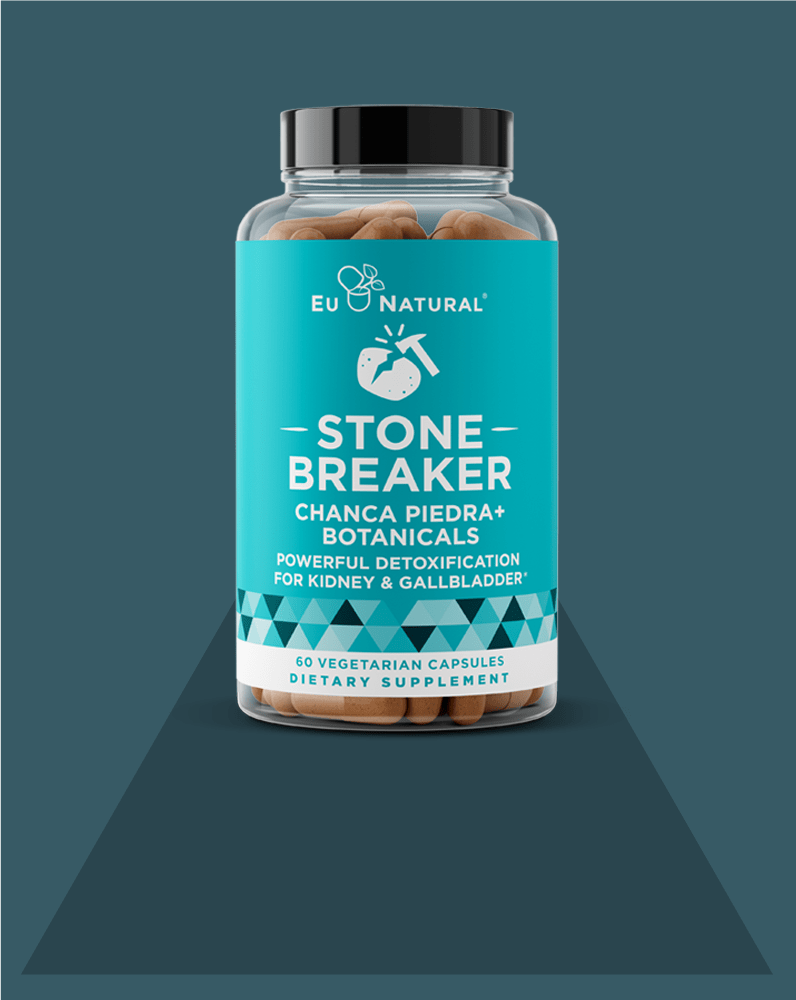
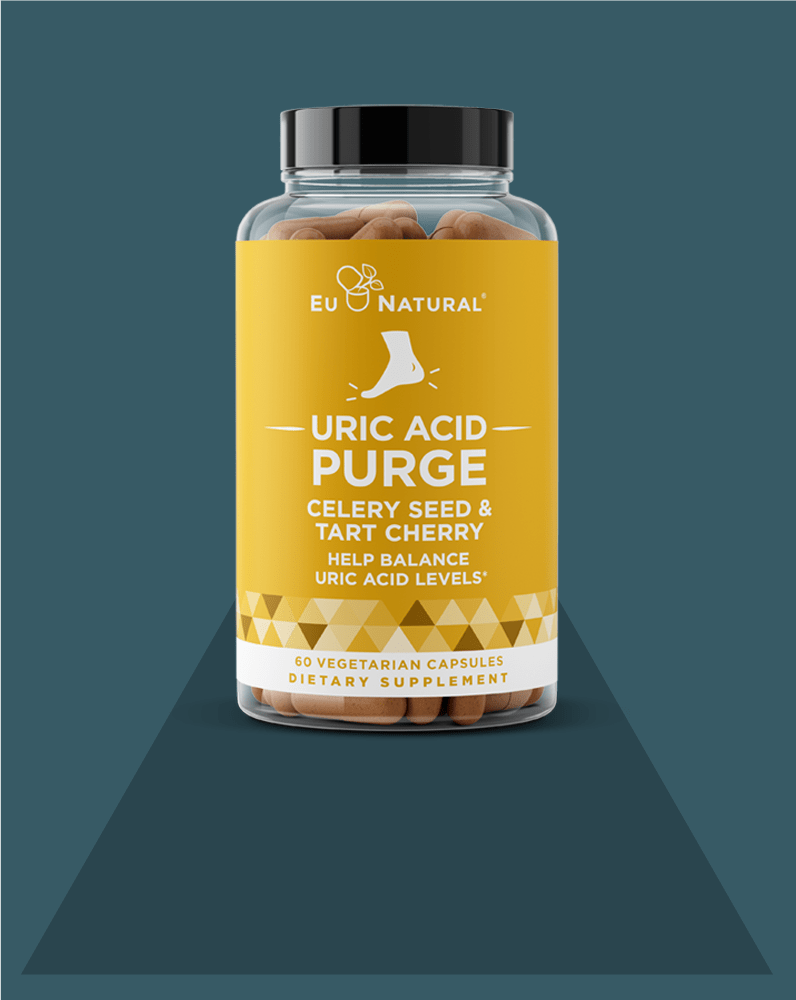
Our formulation philosophy goes beyond checking ingredient boxes. Products like our Stone Breaker (featuring Chanca Piedra and complementary botanicals) and Purge (a comprehensive uric acid support formula with multiple herbal extracts) represent what makes botanical blends superior: synergistic ingredients working together, not alone. Combined with methylated B-vitamins, pure minerals, and absorption enhancers like BioPerine®, our products deliver the bioavailable, multi-dimensional support consumers now expect.
Every Eu Natural formula undergoes Botanical ID testing, a rigorous verification process that confirms the identity and purity of each botanical ingredient. This goes beyond standard third-party testing to ensure that the herb in your bottle is exactly what the label claims, at the potency promised. With over 30,000 verified customer reviews across our product line, our botanical-first approach is delivering the results health-conscious consumers are searching for.
[Explore Botanical Blend Supplements from Eu Natural] — Pure. Potent. Proven.
Sources
-
Future Market Insights (FMI). "North American Dietary Supplements Market: Forecast to 2036." March 2026. https://www.futuremarketinsights.com/reports/north-american-dietary-supplements-market
-
Grand View Research. "Personalized Nutrition and Supplements Market Report 2026." March 2026. https://www.grandviewresearch.com/industry-analysis/personalized-nutrition-supplements-market-report
-
Towards Healthcare. "Polycystic Ovary Syndrome Supplements Market Sizing." November 2025. https://www.towardshealthcare.com/insights/polycystic-ovary-syndrome-supplements-market-sizing
-
Yahoo Finance. "Global Fertility Supplement Market to Reach USD 2.8 Billion by 2036." 2025. https://finance.yahoo.com/news/global-fertility-supplement-market-reach-113500625.html
-
National Institutes of Health (NIH). "Pharmacokinetics and Bioavailability of Plant Lignan 7-Hydroxymatairesinol and Effects on Serum Enterolactone and Clinical Symptoms in Postmenopausal Women." PMC3877914. https://pmc.ncbi.nlm.nih.gov/articles/PMC3877914/
-
NutraIngredients. "Lignans Show Benefits for Menopausal Symptoms, Says Linnea Study." December 2013. https://www.nutraingredients.com/Article/2013/12/11/Lignans-show-benefits-for-menopausal-symptoms-says-Linnea-study/
-
Data Insights Market. "L-5-Methyltetrahydrofolate Calcium (5-MTHF) Market Report." 2026. https://www.datainsightsmarket.com/reports/l-5-methyltetrahydrofolate-calcium-5-mthf-1078667
Innerbody. "Best Inositol Supplements | 4 Top Choices in 2026." 2026. https://www.innerbody.com/best-inositol-supplement


