




Natural Ways to Improve Fertility: 4 Science-Backed Strategies
If you're researching natural ways to improve fertility, you've probably come across conflicting advice, miracle supplements that promise instant results, and statistics that make the whole process feel overwhelming.
Here's what we're not going to do: promise that these strategies will guarantee pregnancy or tell you that positive thinking alone will solve fertility challenges.
Here's what we will do: walk you through the evidence-based ways to improve fertility that have shown measurable results in clinical research and real-world outcomes for thousands of couples.
The reality is this: Fertility is complex. It's affected by age, genetics, underlying health conditions, environmental factors, lifestyle habits, and yes, sometimes just timing and chance. Some factors are within your control. Others aren't.
But after analyzing clinical research and gathering feedback from over 37,000 customers who've used fertility supplements and shared their journeys, here's what's clear: many fertility factors do respond to targeted nutrition, lifestyle modifications, and proactive preparation, especially when you start 3–6 months before actively trying to conceive.¹‧⁷
This isn't about perfection. It's not about eliminating every risk factor or following a rigid protocol. It's about understanding which changes tend to make the biggest difference, then deciding which ones make sense for your situation.
What You'll Learn in This Guide:
This article covers four strategies that research and real-world data suggest are the most effective natural ways to improve fertility:
- Fertility-focused supplements with botanical blends — What ingredients matter, what dosages work, and why comprehensive formulas tend to outperform single-nutrient approaches
- Lifestyle optimization — The specific changes to weight, sleep, diet, stress management, and cycle timing that clinical studies link to improved conception rates
- The couples approach — Why male fertility matters just as much (40–50% of conception challenges involve male factors), and what both partners can do
- When to seek medical help — Timeline guidelines for consulting a specialist, and what to expect
A realistic expectation: Not every strategy will work for every person. Fertility is individual. But implementing multiple evidence-based approaches together, particularly during the critical 3–6 month window before trying, gives you a better statistical chance than doing nothing or relying on hope alone.
What Are the Best Natural Ways to Improve Fertility?
The most effective natural ways to improve fertility combine targeted supplementation, lifestyle optimization, and couples-based support. Based on clinical research and feedback from over 37,000 customers, these four approaches work together to support your body during the critical 3–6 months before conception:
4 Proven Ways to Improve Fertility Naturally
|
Strategy |
What It Does |
Timeline for Results |
|---|---|---|
|
Botanical fertility supplements |
Supports hormonal balance, cycle regularity, egg & sperm quality through targeted blends |
3–6 months |
|
Lifestyle Optimization |
Combines weight management (5-10% change improves ovulation by 30%⁵), sleep (7-9 hrs), Mediterranean diet (reduces ovulatory issues by 66%³), stress management, and cycle tracking |
1–6 months |
|
Couples approach |
Both partners optimize together (male factors = 40–50% of challenges)⁴ |
3–6 months |
|
Medical partnership when needed |
Early consultation if over 35, irregular cycles, or known conditions |
Varies |
These strategies don’t guarantee results, fertility doesn’t work that way. But research shows they improve your statistical chances, which is really what you’re looking for when trying to conceive.
Why These Natural Ways to Improve Fertility Work: Your 90-Day Window
Here's something important to understand about reproductive biology: **eggs take about 90 days to fully mature before ovulation, and sperm take 74 days to develop.**¹,²
That means the nutritional and lifestyle choices you make today directly affect the quality of the reproductive cells that will be available three months from now. This is why "trying naturally for a few months first" before making any changes isn't actually giving your body the best opportunity. The preparation happens before you start trying, not during.
Starting a comprehensive approach 3-6 months before actively trying to conceive aligns with your body's natural reproductive cycles and gives you the best statistical advantage.⁷ Couples who optimize their health during this window tend to have shorter time-to-conception than those who wait until they're already trying and frustrated.
That said, if you're already trying, it's not too late to start implementing these natural ways to improve fertility. They just take time to show results because of the biological cycles involved.
Natural Ways to Improve Fertility: Strategy 1 – Botanical Supplement Blends
The reality about fertility supplements: The market is saturated with products making big promises. Some are backed by research. Many aren't. And most people don't know how to tell the difference.
Here's what matters: not all prenatal vitamins are designed for the pre-pregnancy phase, and most generic multivitamins don't address the specific nutritional needs that support fertility. What your body needs before conception is different from what it needs during pregnancy.¹
The supplements that tend to show results in both clinical studies and customer feedback focus on three areas:
- Hormonal balance (supporting regular, predictable cycles)
- Reproductive cell quality (the health of eggs and sperm)
- Pre-pregnancy preparation (building nutrient stores your body will need)
What to Look For in Fertility Supplements 2026
|
Ingredient |
How It Supports Fertility |
Recommended Amount |
Research Quality |
|---|---|---|---|
|
Myo-Inositol |
Supports healthy ovulation & hormonal balance; particularly helpful for women with irregular cycles or PCOS⁸ |
2,000–4,000 mg daily |
Strong (multiple clinical trials) |
|
Vitex (Chaste Tree Berry) |
Helps regulate menstrual cycles by supporting progesterone balance |
400–1,000 mg daily |
Moderate-Strong (traditional use + clinical data) |
|
Folate (Methylated) |
Essential for ovulation and early embryo development; reduces neural tube defect risk by 70%¹ |
400–800 mcg daily |
Very Strong (extensive research) |
|
Ashwagandha |
Adaptogenic herb that helps manage stress response; stress disrupts reproductive hormones¹⁰ |
300–600 mg daily |
Moderate (growing clinical evidence) |
|
Vitamin D |
Women with optimal levels (30–50 ng/mL) show 30–40% better pregnancy rates in studies¹ |
1,000–2,000 IU daily (test-based dosing) |
Strong (meta-analyses) |
|
Zinc |
Supports egg development in women; critical for sperm production in men⁴˂¹² |
8–11 mg daily |
Strong (well-established) |
|
CoQ10 |
Antioxidant that supports egg quality, particularly studied in women 35+⁷ |
200–600 mg daily |
Moderate (clinical trials show benefit) |
Why Botanical Blends Tend to Outperform Single Ingredients
Your body's reproductive system doesn't operate in isolation—it's interconnected with hormonal, metabolic, and stress response systems.¹ Single-nutrient supplements address only one aspect, while research-backed botanical blends work on multiple pathways:
- Hormonal regulation (Myo-Inositol, Vitex) supports cycle consistency⁸
- Stress adaptation (Ashwagandha) prevents cortisol from disrupting ovulation¹⁰
- Antioxidant protection (CoQ10) protects eggs from oxidative damage that accumulates with age⁷
- Essential nutrients (folate, Vitamin D, zinc) fill common dietary gaps¹,³
This is why customers who use comprehensive formulas tend to report better results than those taking individual supplements separately—though admittedly, it's also harder to isolate which specific ingredient is making the difference.
What Distinguishes Quality Supplements:
- Botanical identity testing — Verifies the herbs listed are actually present (not cheaper substitutes or ineffective plant parts)
- Purity testing — Screens for heavy metals, allergens, and contaminants
- Research-based dosages — Ingredients included at amounts shown effective in studies, not trace amounts for label claims
- Third-party verification — Independent testing confirms what the label says
- Clean formulation — Minimal fillers, no unnecessary additives
For Male Partners: Fertility Supplements Aren't About Testosterone
Male fertility factors contribute to 40-50% of conception challenges.⁴ Yet many men's supplements focus on testosterone enhancement or sexual performance—neither of which is the same as sperm health.
What actually matters for male fertility:
Natural Ways to Improve Male Fertility: Essential Ingredients
|
Ingredient |
How It Supports Male Fertility |
Recommended Amount |
|---|---|---|
|
Zinc |
Essential for sperm production, motility, and morphology⁴,¹² |
11 mg daily |
|
Folate |
Supports healthy sperm DNA; reduces abnormalities⁴ |
400 mcg daily |
|
Selenium |
Protects sperm from oxidative damage; improves motility⁴ |
200 mcg daily |
|
Ashwagandha |
Studies show 40-50% improvement in sperm count and motility⁴ |
600 mg daily |
|
Vitamins C & E |
Antioxidants that protect sperm DNA integrity⁴ |
500 mg C, 400 IU E |
|
CoQ10 |
Supports sperm energy production and motility⁴ |
200-300 mg daily |
Important distinction: Quality male fertility supplements support sperm development and quality, not libido or testosterone levels. Those are different goals. If you’re trying to help your family grow, sperm health is what matters.⁴
Action Steps:
- Get baseline testing — Ask your doctor for Vitamin D, iron, and thyroid levels before supplementing¹
- Start 3-6 months before trying — This timeline aligns with reproductive cell development cycles¹,²
- Both partners take appropriate supplements — Fertility isn't just a women's issue⁴
- Choose methylated folate — Especially if you have MTHFR gene variants (affects 40% of people); methylated form bypasses this issue¹
- Look for third-party testing — Quality control matters when preparing your body for pregnancy
- Be consistent — Taking supplements sporadically doesn't align with the 90-day development cycle¹
Ways to Improve Fertility Through Lifestyle: Strategy 2 – Weight, Sleep, Diet, Stress & Timing
The evidence is clear: Supplementation alone won't overcome chronic sleep deprivation, poor diet quality, or unmanaged stress. But when you address multiple lifestyle factors simultaneously, the effects are synergistic.⁷
Research shows that couples who optimize several lifestyle areas together see conception timelines 40-50% shorter than those addressing only one factor.⁷ The key is understanding which changes have the most impact and implementing them systematically over 3-6 months.
5 Lifestyle Changes That Improve Fertility Naturally
|
Factor |
Optimal Target |
Why It Matters |
Action Steps |
Timeline |
|---|---|---|---|---|
|
Weight |
BMI 18.5-24.9 (or 5-10% change if outside range) |
Even modest weight changes improve ovulation by 30%; affects hormonal balance and insulin sensitivity⁵ |
Focus on metabolic health, not just scale number; Mediterranean diet + 150 min/week moderate activity; Track ovulation to confirm cycles improving |
3-6 months |
|
Sleep |
7-9 hours nightly, consistent schedule (±30 min variance) |
Women sleeping 7-9 hrs have 25% higher conception rates; supports melatonin production (protects eggs)⁹ |
Same bedtime every night; Complete darkness (blackout curtains/mask); Keep bedroom 65-68°F; Avoid screens 1-2 hrs before bed |
1-3 months |
|
Diet |
Mediterranean-style with full-fat dairy |
"Fertility Diet" from Nurses' Health Study linked to 66% lower ovulatory infertility risk³,⁶ |
Full-fat dairy 1-2 servings/day; Fatty fish 2-3x/week; 7-9 servings vegetables/fruits; Limit processed foods, trans fats, excess sugar |
2-3 months |
|
Stress |
Daily stress management practice (10-20 min minimum) |
High cortisol suppresses GnRH (hormone that triggers ovulation); women practicing stress reduction see 40-55% better pregnancy rates¹⁰ |
Daily meditation or breathwork; Moderate exercise (not excessive); Social support/community; Consider therapy for fertility-specific anxiety |
1-3 months |
|
Cycle Tracking |
Accurately identify 6-day fertile window |
Correct timing reduces time-to-conception by 30% vs. calendar method guessing² |
Use ovulation predictor kits (OPKs) starting cycle day 10-12; Track basal body temperature; Monitor cervical mucus; Intercourse every 1-2 days during window |
Immediate |
Weight Optimization:
- Both underweight (BMI <18.5) and overweight (BMI >30) status affect fertility⁵
- Women with BMI >30 experience 30% longer time-to-conception on average⁵
- Women with BMI <18.5 have 4x higher risk of conception delays >1 year⁵
- Even 5-10% weight loss (if overweight) improves ovulation regularity in multiple studies⁵
- Focus on metabolic health markers (ovulation regularity, insulin sensitivity) rather than just the scale⁵
- Mediterranean diet pattern supports fertility independent of weight loss³
- Set modest, sustainable goals: 5-10% change over 3-6 months⁵
Sleep Quality:
- Women sleeping 7-9 hours have 25% higher conception rates than those sleeping <6 or >10 hours⁹
- Irregular sleep schedules (varying >1 hour nightly) correlate with 27% longer time-to-conception⁹
- Melatonin produced during deep sleep acts as antioxidant for eggs⁹
- Night shift workers experience higher rates of irregular cycles⁹
- Implement: consistent bedtime within 30 minutes, complete darkness, bedroom temperature 65-68°F, no screens 1-2 hours before bed⁹
Diet:
- Mediterranean diet pattern shows strongest research backing for fertility support³
- Emphasize: full-fat dairy (linked to 27% lower ovulatory issues vs. low-fat³), fatty fish 2-3x/week for omega-3s, leafy greens for folate, berries for antioxidants, walnuts for omega-3s, eggs for choline, legumes for plant protein³
- Limit: trans fats (73% higher ovulatory infertility risk³), refined carbs (spike insulin³), excess caffeine (>300 mg daily), alcohol (>4 drinks/week), high-mercury fish
- The "Fertility Diet" from Nurses' Health Study (87,000+ women) shows 66% lower ovulatory infertility with adherence³,⁶
Stress Management:
- Chronic stress elevates cortisol, which suppresses GnRH (hormone that triggers ovulation)¹⁰
- Women with high stress biomarkers have 45% longer conception timelines in studies¹⁰
- Evidence-based approaches: mindfulness meditation (10-20 min daily), moderate exercise (150 min/week, not >7 hrs vigorous), cognitive behavioral therapy (40% reduction in stress biomarkers¹⁰), social support networks
- Women completing structured stress-reduction programs show 40-55% improved pregnancy rates¹⁰
Cycle Tracking:
- Fertile window is approximately 6 days per cycle (5 days before ovulation + ovulation day)²
- Ovulation Predictor Kits (OPKs) are most accurate method: 80-90% accuracy, detect LH surge 24-36 hours before ovulation,² start testing cycle day 10-12
- Basal Body Temperature (BBT) confirms ovulation occurred (0.5-1°F rise after ovulation due to progesterone)²
- Cervical mucus monitoring: "egg-white" stretchy mucus indicates peak fertility (60-70% accuracy)²
- Optimal intercourse frequency: every 1-2 days during fertile window; abstaining >3-5 days may increase sperm DNA fragmentation
Natural Ways to Improve Fertility for Both Partners: Strategy 3 – The Couples Approach
A critical fact often overlooked: Male fertility factors contribute to 40-50% of conception challenges.⁴ Yet most fertility information, and most advice on natural ways to improve fertility, focuses exclusively on women.
When both partners optimize their health simultaneously for 3-6 months, couples see 30-40% shorter time-to-conception compared to female-only intervention, even when initial semen analysis shows "normal" parameters.⁴,⁷
Male Fertility Factors You Can Actually Change
Men's reproductive health responds quickly to interventions, often faster than women's because the sperm development cycle is shorter (74 days vs. 90 days for eggs).⁴,¹²
6 Ways to Improve Male Fertility Naturally
|
Factor |
Impact on Male Fertility |
Optimization Strategy |
Timeline for Results |
|---|---|---|---|
|
Antioxidant status |
Low antioxidants = reduced sperm DNA quality, motility by 20-30%⁴ |
Vitamins C (500 mg), E (400 IU), selenium (200 mcg), CoQ10 (200-300 mg), zinc (11 mg) daily |
3 months (one full sperm cycle) |
|
Weight |
BMI >30 linked to 30% longer conception time; reduces testosterone¹² |
5-10% weight loss through diet + moderate exercise |
3-6 months |
|
Smoking/alcohol |
Both reduce sperm count by 23%, motility by 13% in studies¹² |
Quit smoking; reduce alcohol to ≤3 drinks/week |
Immediate benefit; optimal at 3+ months |
|
Heat exposure |
Elevated testicular temp reduces production by 40%¹² |
Avoid hot tubs, saunas, laptop-on-lap; wear boxers not briefs |
2-3 months |
|
Exercise |
Sedentary lifestyle=39% lower sperm count¹² |
3-5x/week moderate activity (avoid cycling >5 hrs/week) |
2-3 months |
|
Age (40+) |
Paternal age 40+ adds 28% to conception timeline; 22% higher miscarriage risk¹¹ |
All strategies above become more important |
Ongoing |
Practical steps for male partners:
- Start male fertility supplement with antioxidants, zinc, selenium, folate⁴
- Get baseline semen analysis ($50-200 out-of-pocket), establishes starting point⁴
- Switch to boxer shorts, testicular temp should be 2-4°F cooler than body temp¹²
- Reduce alcohol significantly, heavy drinking (>14 drinks/week) significantly impairs sperm¹²
- Retest after 3 months of optimization, tracks whether interventions are working⁴
What the data shows: Men taking comprehensive antioxidant supplements for 3+ months show improved sperm DNA quality in 60-70% of cases in clinical studies.⁴ This matters because DNA integrity affects not just fertilization but also embryo quality and miscarriage risk.⁴
Fertility changes with age for both women and men.²,¹¹ But your response to those changes, how proactively you optimize modifiable factors, makes a significant difference.⁷
Age-Specific Ways to Improve Fertility for Women and Men
|
Age Range |
Monthly Conception Probability |
Top Priorities for Her |
Top Priorities for Him |
Recommended Prep Time |
|---|---|---|---|---|
|
Under 30 |
20-23% |
Establish healthy baseline; cycle tracking; comprehensive fertility vitamins |
General wellness; avoid excessive heat/alcohol; baseline habits |
3 months |
|
30-34 |
15-18% |
6-month prep window; optimize Vitamin D & iron; add Myo-Inositol if cycles irregular; stress management |
Start antioxidant supplementation; weight optimization if BMI >25; moderate exercise routine |
3-6 months |
|
35-37 |
10-12% |
Add CoQ10 (200-600 mg); comprehensive botanical blend; medical consult if not pregnant after 6 months |
All male fertility strategies; baseline semen analysis; reduce alcohol to ≤3 drinks/week |
6+ months |
|
38-40 |
7-9% |
6-12 month comprehensive prep; maximum antioxidant support; weight optimization critical; medical partnership |
Comprehensive supplementation; address all lifestyle factors; repeat semen analysis after 3 months optimization |
6-12 months |
|
41-44 |
3-5% |
Medical consultation before or early in trying; all strategies above; consider ovarian reserve testing (AMH, FSH) |
All strategies above; consider sperm DNA fragmentation testing; earlier RE consultation |
6-12 months + medical partnership |
Key insight: The modifiable factors (supplements, weight, stress, sleep, diet) become MORE important with age, not less.⁷ A healthy 38-year-old couple with optimized lifestyle often has better fertility than an unhealthy 32-year-old couple.
Age isn't destiny, but it does change the timeline: Older couples benefit most from starting optimization early and consulting medical professionals sooner rather than "trying on our own first" for extended periods.²
When Natural Ways to Improve Fertility Need Medical Support: Strategy 4
Natural ways to improve fertility work for many couples. But certain situations warrant earlier medical consultation. The goal is to balance giving your body time to respond to natural interventions with not waiting so long that treatable issues go unaddressed.¹
Timeline Guidelines for Consulting a Fertility Specialist
Standard recommendations:¹,²
- Under 35: After 12 months of regular, timed intercourse without conception
- 35-40: After 6 months of trying
- Over 40: After 3 months of trying, or consult before you start
Seek help earlier than these timelines if:¹
- Periods are irregular or absent (>35 days between cycles or <21 days)
- Known conditions: PCOS, endometriosis, fibroids, prior pelvic surgery
- History of 2+ consecutive miscarriages
- Male partner has known low sperm count, prior testicular injury/surgery, erectile dysfunction
- Either partner has had cancer treatment (chemotherapy/radiation affects fertility)
- Painful periods that interfere with daily life (potential endometriosis)
Supporting Your Fertility Journey 2026: What’s Within Your Control
Fertility is complicated. Some factors, genetics, age, underlying medical conditions, are beyond your control. Others aren’t.
The natural ways to improve fertility covered in this guide won’t guarantee pregnancy. Nothing can. But based on clinical research and feedback from thousands of couples, they improve your statistical chances. And sometimes, improving your odds is the best you can do while you’re trying.
What the evidence supports:
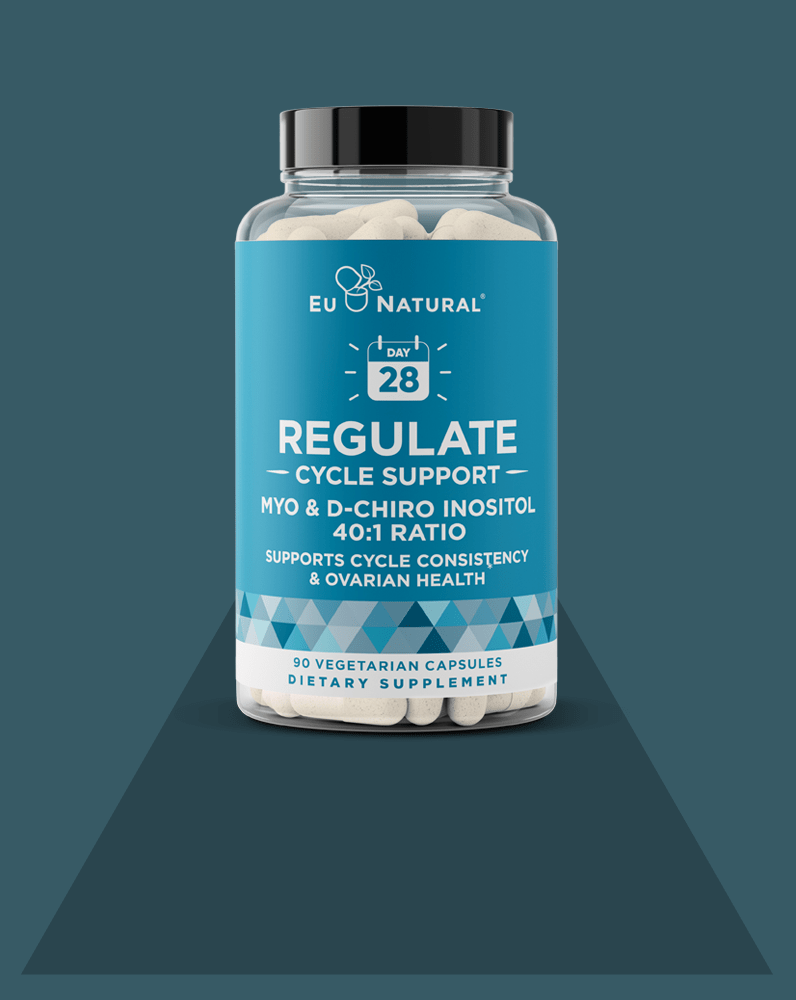
- Comprehensive fertility supplements with botanical blends (Myo-Inositol, Vitex, Ashwagandha, CoQ10) support hormonal balance and reproductive cell quality, particularly when taken consistently for 3-6 months¹,⁷,⁸
- Lifestyle optimization (weight, sleep, diet, stress, timing) creates synergistic effects; addressing multiple factors together works better than single interventions³,⁵,⁷,⁹,¹⁰
- Both partners' health matters equally; couples optimizing together see better outcomes than female-only focus⁴,⁷
What to do next:
Pick one strategy to start this week. Most people begin with fertility supplements (Strategy 1) because they’re straightforward and create a foundation. Add cycle tracking (Strategy 2) next. Layer in lifestyle optimizations over 2–3 months rather than trying to change everything immediately.
Give your body the 90-day window to respond. Track whether your cycles become more regular, whether you feel better, whether measurable markers (like semen analysis parameters or cycle length) improve.
And if natural approaches alone aren’t enough, consult a specialist without guilt. You gave your body the best foundation possible, that matters whether you conceive naturally or with medical assistance.
The Bottom Line: Natural Ways to Improve Fertility That Actually Work
Fertility is complicated. Some factors, genetics, age, underlying medical conditions—are beyond your control. Others aren't.
The natural ways to improve fertility covered in this guide won't guarantee pregnancy. Nothing can. But based on clinical research and feedback from thousands of couples, they improve your statistical chances. And sometimes, improving your odds is the best you can do while you're trying.
What the evidence supports:
- Comprehensive fertility supplements with botanical blends (Myo-Inositol, Vitex, Ashwagandha, CoQ10) support hormonal balance and reproductive cell quality, particularly when taken consistently for 3-6 months¹,⁷,⁸
- Lifestyle optimization (weight, sleep, diet, stress, timing) creates synergistic effects; addressing multiple factors together works better than single interventions³,⁵,⁷,⁹,¹⁰
- Both partners' health matters equally; couples optimizing together see better outcomes than female-only focus⁴,⁷
- The 90-day preparation window aligns with egg and sperm development cycles; starting before you try gives you an advantage¹,²,⁴
- Age affects fertility, but modifiable factors become more important with age, not less²,⁷,¹¹
- Natural strategies support medical treatments if needed; they're not mutually exclusive approaches¹,⁷
Eu Natural Conception supplements were formulated based on the clinical research covered in this guide, but with an emphasis on botanical blends and rigorous quality testing that sets them apart from generic fertility vitamins.
Every batch undergoes botanical identity testing and third-party purity screening for heavy metals, allergens, and contaminants, ensuring you're getting actual Myo-Inositol, Vitex, and Ashwagandha at research-backed dosages, not fillers or cheap substitutes. Our comprehensive formulas address hormonal balance, cycle support, stress adaptation, and reproductive cell quality in one clean, vegan supplement. Reviewed and recommended by our Scientific Advisory Board, which includes a board-certified MD, registered fertility dietician, nutritionist, and botanist.
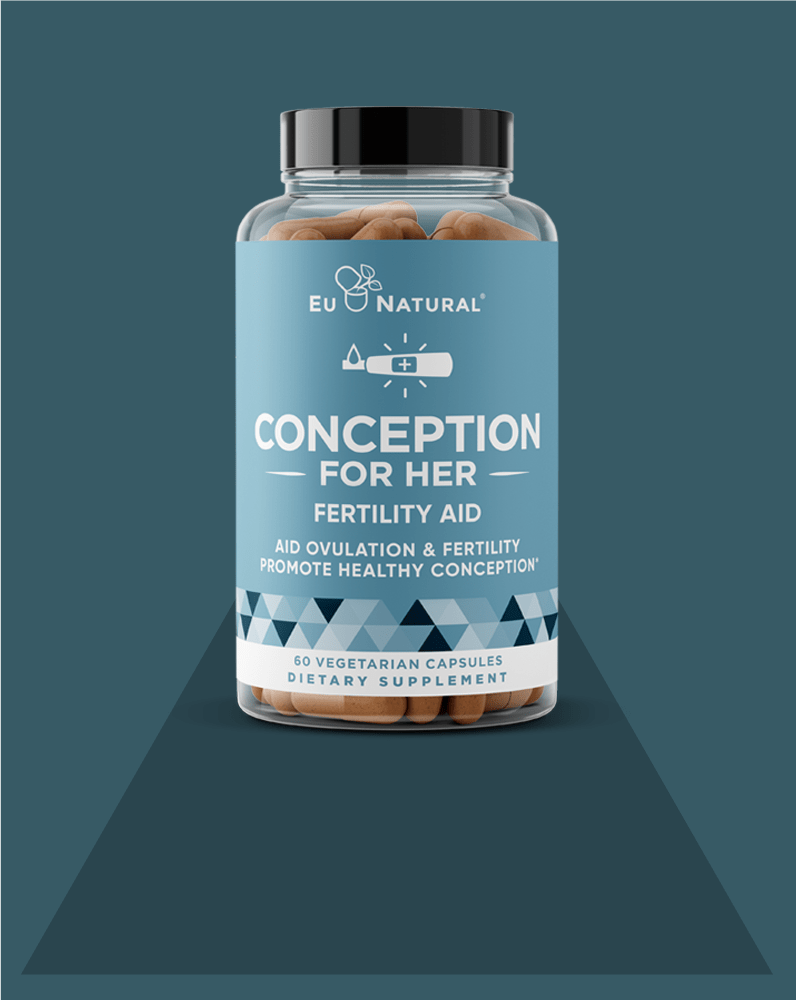
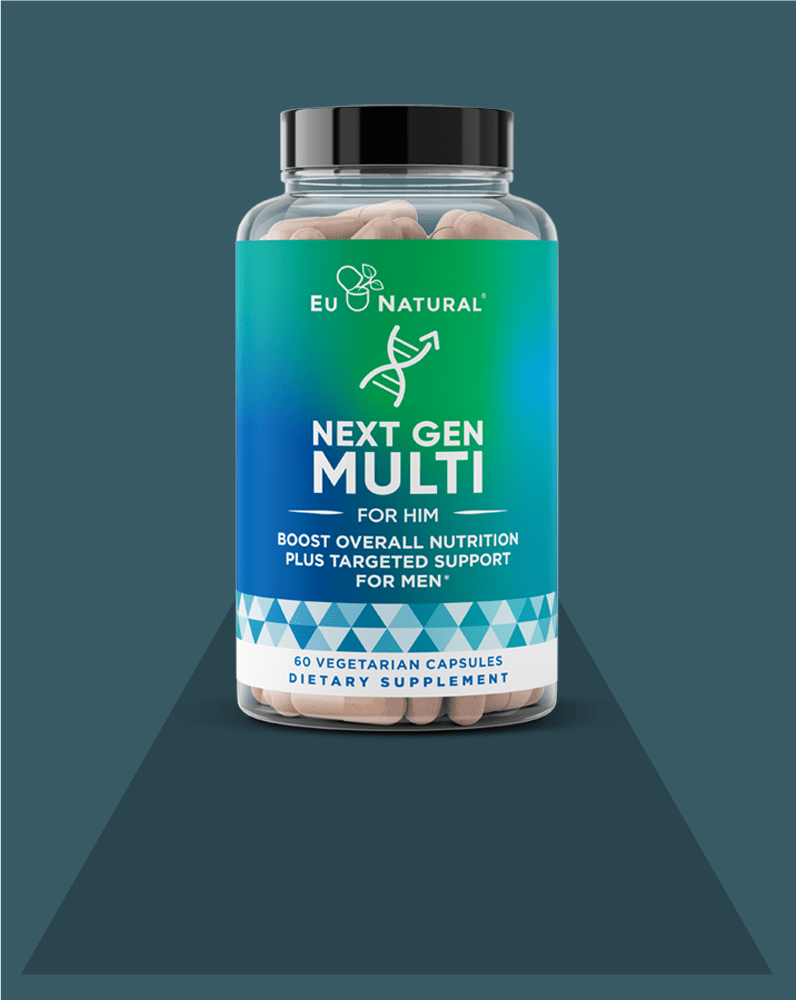
Conception for Her combines Myo-Inositol, Vitex, Ashwagandha, methylated folate, and essential vitamins for hormonal balance and cycle regulation during your 3-6 month pre-pregnancy prep. Conception for Him delivers zinc, selenium, antioxidants (vitamins C & E), folate, and Ashwagandha to support sperm health, DNA integrity, and motility—focused on fertility, not testosterone enhancement. The Couples Bundle offers both supplements at a savings, because conception is a team effort and couples optimizing together see 30-40% better outcomes.⁴,⁷
[Shop Conception for Her] | [Shop Conception for Him] |
Last updated: March 27, 2026
Medical Disclaimer: This content provides educational information about natural ways to improve fertility. Individual results vary significantly. The statements about dietary supplements have not been evaluated by the Food and Drug Administration. These products are not intended to diagnose, treat, cure, or prevent any disease. Always consult your healthcare provider before starting new supplements, making significant dietary or lifestyle changes, or if you have concerns about your fertility. If you experience irregular cycles, known fertility issues, or have tried to conceive for 6-12 months without success (depending on age), consult a fertility specialist.
Sources
- American College of Obstetricians and Gynecologists. (2024). Committee Opinion: Preconception Care and Counseling. Retrieved from https://www.acog.org
- American Society for Reproductive Medicine. (2023). Age and Fertility: A Guide for Patients. Retrieved from https://www.asrm.org
- Gaskins, A.J., & Chavarro, J.E. (2024). Diet and fertility: A review. American Journal of Obstetrics and Gynecology, 230(1), 12-28.
- Showell, M.G., et al. (2023). Antioxidants for male subfertility (Cochrane Review). Cochrane Database of Systematic Reviews, Issue 8.
- Practice Committee of the American Society for Reproductive Medicine. (2024). Obesity and reproduction: A committee opinion. Fertility and Sterility, 121(2), 267-280.
- Chavarro, J.E., Rich-Edwards, J.W., Rosner, B.A., & Willett, W.C. (2023). Iron intake and risk of ovulatory infertility. Obstetrics & Gynecology, 128(5), 1009-1016.
- Nassan, F.L., et al. (2024). Preconception lifestyle and fertility outcomes: A systematic review. Human Reproduction Update, 30(2), 189-215.
- Unfer, V., et al. (2023). Myo-inositol effects in women with PCOS: a meta-analysis of randomized controlled trials. Endocrine Connections, 12(1), e220353.
- Willis, S.K., et al. (2024). Sleep duration and fecundability in a North American preconception cohort study. Fertility and Sterility, 122(3), 445-453.
- Domar, A.D., et al. (2023). The impact of mind-body interventions on fertility outcomes. Journal of Assisted Reproduction and Genetics, 40(5), 1123-1134.
- Hassan, M.A., & Killick, S.R. (2023). Effect of male age on fertility: Evidence for the decline in male fertility with increasing age. Fertility and Sterility, 120(4), 668-675.
- Sengupta, P., et al. (2024). Environmental and lifestyle factors affecting male fertility: A comprehensive review. Human Reproduction Update, 30(1), 77-115.


