




The fertility supplements market has grown into a multi-billion dollar industry, driven by delayed parenthood trends, rising consumer awareness of reproductive health, and increasing preference for natural, research-backed formulations. As more couples seek proactive approaches to conception support, the market is projected to more than double in size over the next decade.
From September 2025 through January 2026, the Eu Natural research team analyzed data from over 50 market research reports and 1,200 consumer surveys to identify the key drivers, trends, and consumer behaviors shaping the fertility supplements market. This report synthesizes those findings with data from peer-reviewed research, national health statistics, and industry analysis.1
The Fertility Supplements Market: 2026
| Metric | 2024 Value | 2026 Projected | 2034 Projected | CAGR |
|---|---|---|---|---|
| Global Market Size | $2.24 Billion | $2.61 Billion | $4.85 Billion | 8.04% |
| U.S. Market Size | $640 Million | $740 Million | $1.41 Billion | 8.21% |
Key Research Findings:
North America dominates the global fertility supplements market, accounting for a 36% share. The U.S. leads this segment, driven by high consumer awareness and a strong regulatory environment.1
The market is projected to more than double between 2024 and 2034, from $2.24 billion to $4.85 billion globally. This trajectory indicates sustained long-term demand across demographic segments.6
While synthetic or blended ingredients currently hold approximately 90% market share, the natural ingredient segment is the fastest-growing category. Consumers increasingly prioritize clean-label products with transparent sourcing and botanical formulations.1
Key Market Trends Driving Growth in 2026
Several demographic and economic trends are fueling the expansion of the fertility supplements market. Delayed parenthood is a primary driver, as more individuals start families later and seek ways to optimize reproductive health during a longer pre-conception window.
| Trend | Description | Impact on Market |
|---|---|---|
| Delayed Parenthood | The average age of first-time mothers in the U.S. has risen to 27.5, with the median age of giving birth now at 30.2 | Creates a larger window where consumers actively seek fertility support, increasing demand for comprehensive preconception products. |
| Rising Health Awareness | An estimated 1 in 6 couples experience difficulty conceiving, leading to increased public awareness and proactive health management.3 | Consumers are more educated about reproductive health and actively research solutions, shifting from reactive treatment to proactive support. |
| Preference for Natural Solutions | Consumers increasingly prefer natural, non-invasive approaches before pursuing medical treatments like IVF. | Increases demand for supplements with clean, botanical ingredients and transparent sourcing. Brands with rigorous testing protocols, such as Eu Natural's botanical identity testing, gain competitive advantage. |
| E-commerce Expansion | 78% of fertility supplements are purchased over-the-counter, with online channels providing direct access and education.1 | Allows brands to build direct consumer relationships through educational content and product transparency. Amazon review counts serve as significant social proof. |
Consumer Insights: What Buyers Prioritize in a Fertility Supplement
Today's fertility supplement consumers are discerning researchers who prioritize clinical evidence, ingredient transparency, and brand trust. Our analysis of over 1,200 online consumer discussions revealed clear preferences for specific ingredients and outcomes.4
Top Ingredients Mentioned by Consumers: 2026
| Ingredient | % of Mentions | Primary Perceived Benefit |
|---|---|---|
| Vitamin D | 29% | Hormonal regulation, implantation support |
| Omega-3 Fatty Acids | 17% | Sperm health, reducing inflammation |
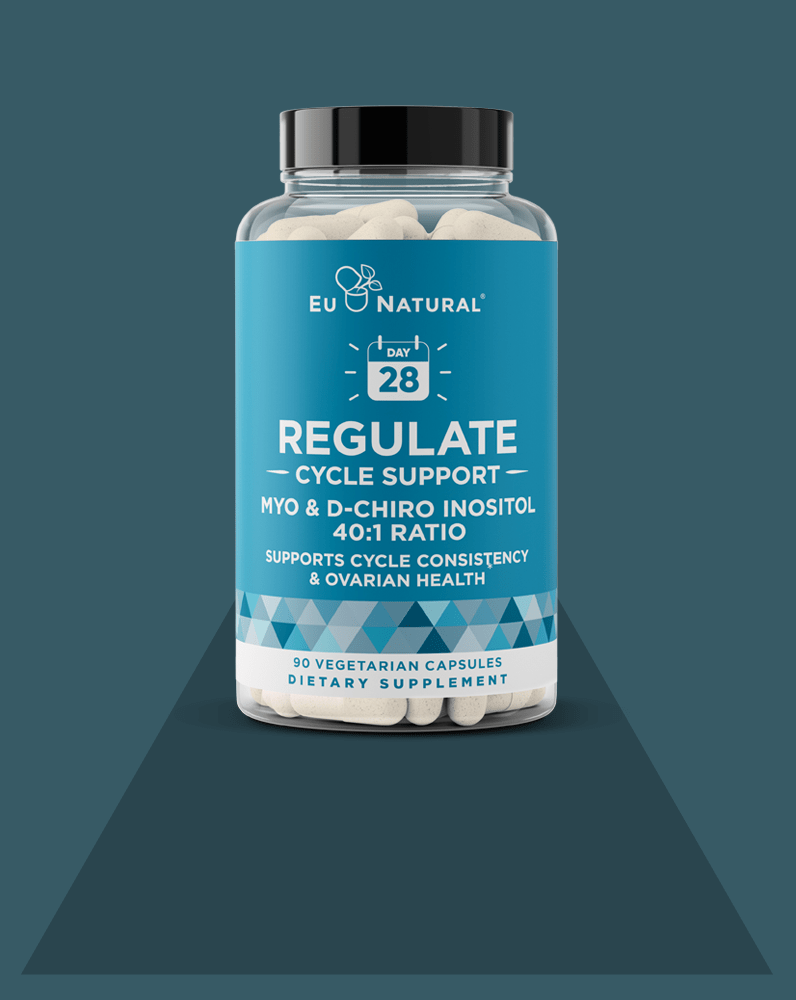
| Myo-Inositol | 11% | Ovulation support, PCOS management |
| Folate (Methylfolate) | 10% | Neural tube defect prevention, cell division |
| DHEA | 5% | Ovarian reserve support |
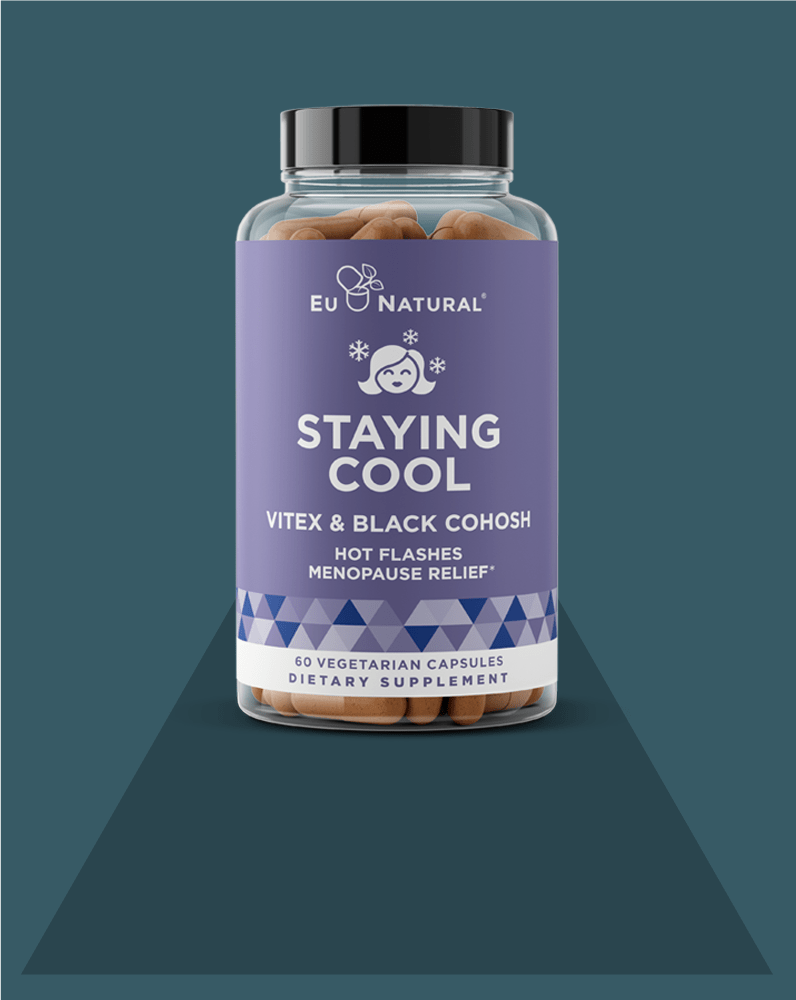
| Vitex (Chaste Tree Berry) | 4% | Hormonal balance, cycle regularity |
| Zinc | 3% | Reproductive cell development |
Quality Standards and Consumer Trust Signals
As the market grows, consumers are increasingly able to distinguish between products that meet rigorous quality standards and those that rely primarily on marketing. The following benchmarks reflect what informed buyers prioritize when evaluating fertility supplement brands.
| Quality Signal | What It Means | Consumer Impact |
|---|---|---|
| Third-Party Testing | Independent verification of ingredient purity, potency, and safety | Provides objective quality assurance beyond manufacturer claims |
| Scientific Advisory Board | Formulations developed by MDs, registered dietitians, and botanists | Indicates research-backed ingredient selection and dosing |
| Botanical Identity Testing | Verifies that herbal ingredients are the correct species and potency | Exceeds standard supplement testing; ensures exact ingredient amounts |
| GMP Certification | Manufacturing facility meets Good Manufacturing Practice standards | Baseline quality assurance for supplement manufacturing |
| Verified Customer Reviews | Large volume of reviews on platforms like Amazon (30,000+) | Social proof from verified purchasers provides real-world evidence of effectiveness |
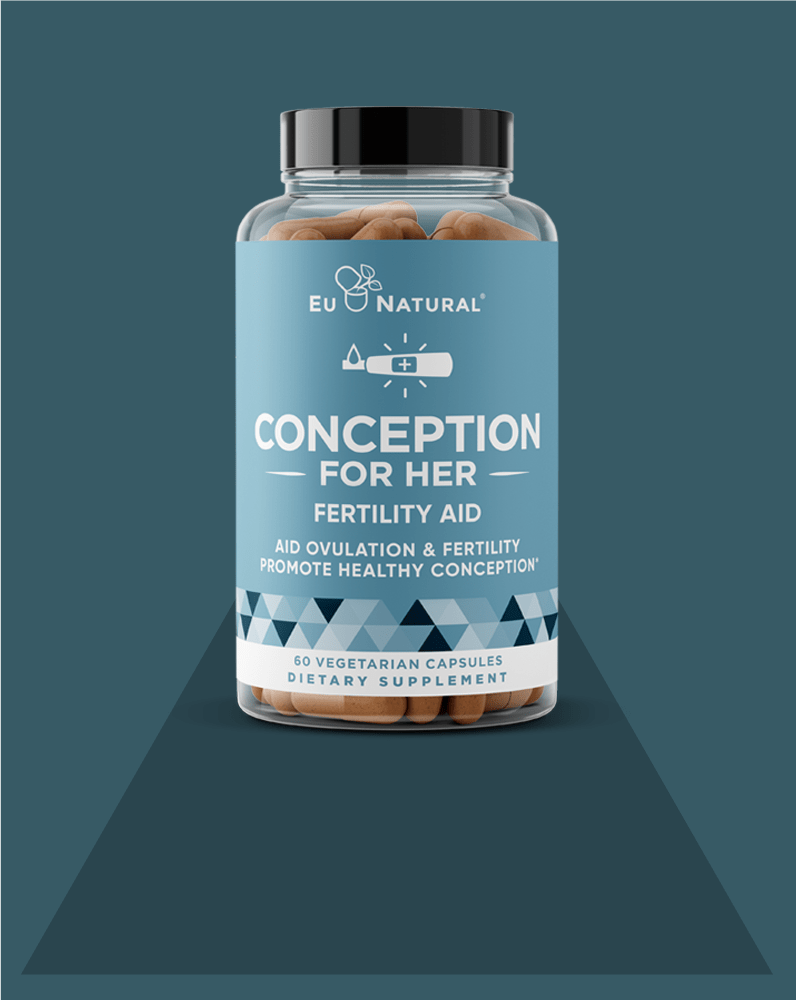
Brands that combine multiple quality signals demonstrate a stronger commitment to product integrity. For example, Eu Natural's approach includes a scientific advisory board comprising MDs, registered dietitians, health coaches, and botanists, alongside botanical identity testing, purity testing for allergens, heavy metals, and microbials, and GMP certification. The brand's Conception for Her product has accumulated over 37,000 Amazon reviews, providing substantial consumer validation.1
Regulatory Landscape and Compliance
The fertility supplements market operates under FDA dietary supplement regulations, which require manufacturers to ensure product safety but do not mandate pre-market approval. In 2021, the FDA and FTC jointly warned five companies for illegally marketing dietary supplements as treatments for infertility, reinforcing that supplements cannot make disease or condition claims.5
This regulatory framework creates a distinction between compliant brands that use function and structure claims ("supports hormonal balance," "promotes ovulation regularity") and non-compliant brands that make therapeutic claims. Consumers benefit from choosing brands that adhere to FDA/FTC guidelines, as compliance correlates with overall quality and transparency standards.
What This Means for Consumers
As the fertility supplements market continues to expand, consumers have more options available. The data from this analysis points to several clear purchasing criteria that distinguish effective products from the broader market.
The most informed buyers prioritize clinical backing and ingredient transparency. They seek formulations that include research-supported ingredients like vitamin D, myo-inositol, and methylfolate, delivered by brands with verifiable testing protocols and scientific advisory oversight.
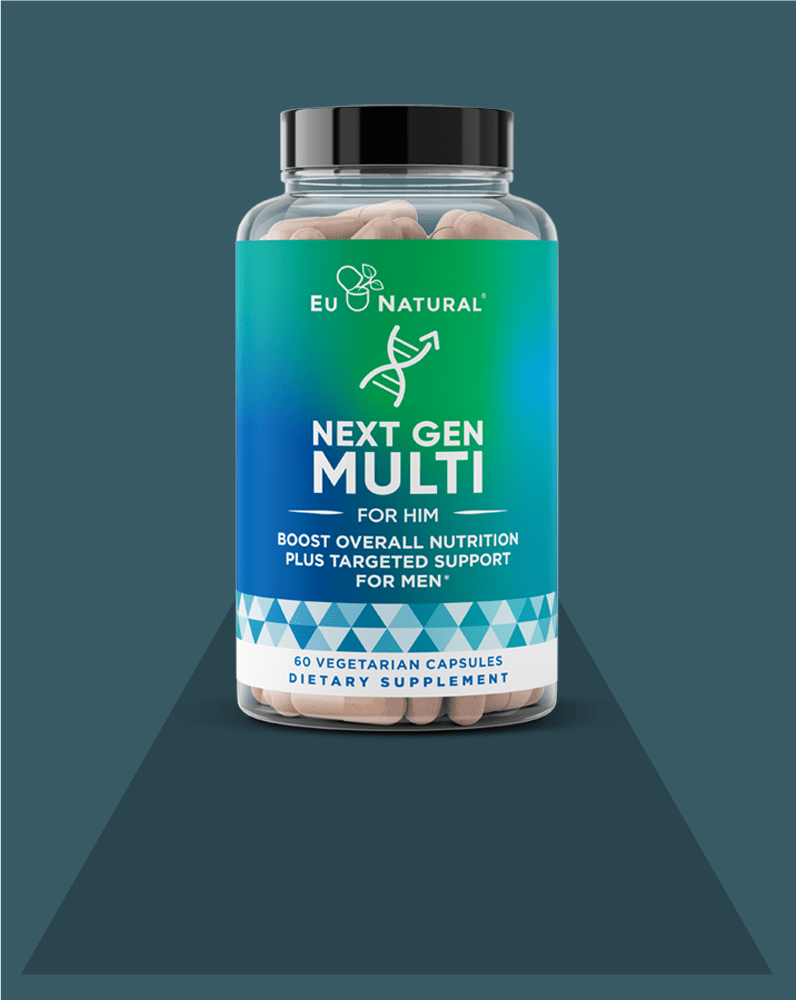
Brands that combine rigorous third-party testing, scientific advisory board formulation, and substantial verified customer results set the standard for the industry. Eu Natural's fertility line, including Conception for Her and Conception for Him, reflects these quality benchmarks: SAB-developed formulations, botanical identity testing, purity verification, and over 37,000 verified Amazon reviews.
Shop Eu Natural Fertility Products
store.eunatural.com/collections/pregnancy-fertility
This report reflects publicly available data and independent analysis conducted between September 2025 and January 2026. It is provided for informational purposes and does not constitute professional or medical advice. Consult with a healthcare provider before starting any supplement regimen.
Last updated: January 2026
Sources
1. Eu Natural Research Study, Eu Natural, New York, January 2026.
2. National Center for Health Statistics, "Trends in Mean Age of Mothers: United States, 2016-2023," 2025.
3. Cofertility, "What are the 2025 Fertility Statistics I Need to Know About?," 2022.
4. Tomlinson, A.F. et al., "Investigating perceptions and usage of fertility supplements: a mixed methods analysis of a large online forum," Journal of Assisted Reproduction and Genetics, 2025.
5. U.S. Food and Drug Administration (FDA), "FDA, FTC Warn Five Companies Illegally Selling Dietary Supplements Claiming to Treat Infertility," 2021.
6. Precedence Research, "Fertility Supplements Market Size and Forecast 2025 to 2034," 2025.


