




The relationship between age and conception rates is one of the most researched areas in reproductive medicine. Understanding how age affects fertility helps women make informed, proactive decisions about family planning, whether they are planning ahead or actively trying to conceive.
From September 2025 through January 2026, our research team compiled data from 187 reproductive health studies and clinical fertility databases to analyze conception success rates across different age groups. The dataset below aggregates findings from peer-reviewed medical journals, national health statistics, and fertility clinic outcomes.1
We evaluated conception rates using the following methodology:
- Per-cycle conception probability (35%): Monthly likelihood of successful conception with optimally timed intercourse
- Cumulative pregnancy rates (30%): Percentage of women achieving pregnancy within 6 and 12 months of trying
- Ovarian reserve markers (20%): Age-related changes in egg quantity and quality based on AMH and antral follicle counts
- Time to conception (15%): Average months required to achieve pregnancy at each age
Conception Rates by Age Group: 2026
| Age Range | Monthly Conception Rate | 6-Month Pregnancy Rate | 12-Month Pregnancy Rate | Avg. Time to Conception | Ovarian Reserve Status |
|---|---|---|---|---|---|
| 20-24 | 25-30% | 62% | 86% | 4 months | Optimal |
| 25-29 | 25-28% | 59% | 79% | 4-5 months | Excellent |
| 30-34 | 20-22% | 53% | 72% | 5-6 months | Good |
| 35-37 | 15-18% | 44% | 58% | 7-8 months | Moderate decline |
| 38-40 | 10-13% | 31% | 42% | 9-12 months | Significant decline |
| 41-43 | 5-8% | 18% | 26% | 15+ months | Steep decline |
| 44+ | <5% | <10% | <15% | 18+ months | Minimal reserve |
Key Research Findings:
- Women in their mid-twenties demonstrate peak fertility, with approximately 1 in 4 conceiving each cycle during optimal timing
- A measurable decline in monthly conception probability begins at age 32, accelerating after age 35
- By age 40, natural conception rates decrease approximately 5-10% per cycle, representing an 80% reduction from peak fertility years2
Ages 20-24: Peak Biological Fertility
During the early twenties, women experience their highest biological fertility. Monthly conception rates range from 25-30%, meaning healthy couples have roughly a 1-in-4 chance of pregnancy each cycle. Within six months of trying, 62% of women in this age group achieve pregnancy, climbing to 86% within one year.
Biological Advantages at This Age:
- Highest ovarian reserve with optimal egg quality
- Lowest miscarriage risk (approximately 10-15%)
- Hormonal cycles are most regular and predictable
- Cervical mucus quality supports sperm survival
For those trying to conceive in this age range, maintaining overall health through balanced nutrition, regular exercise, and stress management provides the strongest foundation for conception success.
Ages 25-29: Continued Fertility Sweet Spot
The late twenties represent a continued fertility sweet spot, with monthly conception rates of 25-28%. Research shows this age range achieves the highest cumulative pregnancy rates, with 79% of women conceiving within 12 months of trying.3
What the Data Shows:
- Average time to conception: 4-5 months
- Egg quality remains consistently high
- Pregnancy complications remain relatively low
- Miscarriage risk: approximately 15-18%
Women in this age bracket benefit from both biological readiness and often greater emotional and financial stability. Supporting conception through prenatal vitamins with folate (400-800 mcg daily) can reduce neural tube defect risks while supporting overall reproductive health.
Ages 30-34: Strong, Consistent Fertility
In the early thirties, fertility remains strong. 72% of women achieve pregnancy within 12 months, and monthly conception rates of 20-22% mean 1 in 5 women conceive each cycle. The average time to conception is 5-6 months, comparable to younger age groups.
What to Know in This Age Bracket:
- 72% of women conceive within one year of trying
- Egg quality remains high in early thirties, with gradual changes beginning after age 32
- Lifestyle factors carry significant impact: nutrition, stress management, and healthy habits optimize natural fertility
- This decade offers a strong balance of biological readiness and life preparedness
Nutritional support becomes increasingly valuable in this age range. Studies show that women taking prenatal vitamins or multivitamins experience lower rates of ovulatory infertility compared to those who do not supplement.4
Ages 35-39: Timing and Support Matter More
Monthly conception rates in the late thirties range from 15-18% at age 35, declining to 10-13% by age 40. At age 38-40, 42% of women achieve pregnancy within one year of trying naturally, roughly 1 in 2.
Understanding Changes After 35:
- Egg quality becomes more variable, which is why prenatal vitamins with antioxidants offer meaningful benefits
- Time to conception averages 9-12 months, longer than in the twenties but still within normal range
- Fertility evaluation after 6 months (rather than 12) helps women access support sooner if needed
- Success rates with treatment remain strong for this age group
Evidence-Based Strategies for This Age Range:
Comprehensive prenatal vitamins with fertility-supporting ingredients have been shown to support egg quality. Vitamin D levels above 75 nmol/L correlate with 20-30% higher pregnancy rates.5 Antioxidant supplementation shows a 38.5% improvement in pregnancy rates in some studies. Stress reduction and sleep optimization support hormonal balance and ovulation.
Ages 40+: Medical Support Expands Options
After age 40, natural conception rates decrease below 5% monthly. Most women in this age group benefit from medical support. Assisted reproductive technology has expanded options significantly, and thousands of women become mothers in their forties each year.
What to Understand at 40+:
- Natural conception is possible but less likely month-to-month
- Egg quality variability increases, making genetic screening valuable
- IVF with own eggs: 5-15% success per cycle, with cumulative success over multiple cycles
- IVF with donor eggs: 50-60% success per cycle
- Uterine function remains strong, which contributes to high donor egg pregnancy success rates
Women over 40 benefit from working with a fertility specialist early. A comprehensive fertility evaluation establishes baseline markers (ovarian reserve, partner sperm health, uterine health). High-dose antioxidants (vitamins C, E, selenium) offer scientifically supported benefits for egg quality.6
Monthly Conception Probability by Age
| Age | Per-Cycle Chance of Pregnancy |
|---|---|
| 20 | 27% |
| 25 | 25% |
| 30 | 20% |
| 35 | 15% |
| 37 | 12% |
| 40 | 7% |
| 43 | 3% |
| 45 | <2% |
Cumulative Pregnancy Rates: Likelihood of Conception Within 12 Months
| Age Group | 12-Month Pregnancy Rate |
|---|---|
| 20-24 | 86% |
| 25-29 | 79% |
| 30-34 | 72% |
| 35-37 | 58% |
| 38-40 | 42% |
| 41-43 | 26% |
| 44+ | <15% |
Factors Beyond Age That Affect Conception Rates
While age is the single strongest predictor of fertility, numerous lifestyle and health factors significantly influence conception success at every age.
Body Weight and BMI:
- Women with BMI 18.5-24.9 have optimal conception rates
- Both obesity (BMI >30) and being underweight (BMI <18.5) disrupt ovulation
- Even a 5-10% weight loss in overweight women can restore regular cycles
Smoking:
- Smokers are 3 times more likely to experience delayed conception
- Smoking depletes ovarian reserve and accelerates menopause by 1-4 years
- Chromosomal damage to eggs increases with smoking exposure
Alcohol Consumption:
- Moderate to heavy drinking (>7 drinks per week) reduces conception rates by 18-25%
- Even light drinking during the two-week wait may increase early miscarriage risk
Stress and Mental Health:
- Chronic stress disrupts the hypothalamic-pituitary-ovarian axis
- Women with anxiety or depression show longer time to conception
- Stress-reduction techniques improve pregnancy rates in some studies
Medical Conditions:
- PCOS (polycystic ovary syndrome) affects 10% of reproductive-age women
- Endometriosis reduces monthly conception rates by approximately 50%
- Thyroid disorders, even subclinical, affect ovulation and implantation
Diabetes and autoimmune conditions require optimization before conception7
The Role of Nutrition and Supplements in Optimizing Fertility
Research demonstrates that targeted nutritional support can enhance fertility outcomes across all age groups. A large population-based study found that women taking multivitamins or prenatal vitamins had significantly lower incidence of ovulatory infertility. The protective effect was strongest when vitamins were taken for extended periods before conception attempts.4
Folic Acid (Folate):
- Recommended dose: 400-800 mcg daily
- Reduces neural tube defects by 70%
- Supports healthy cell division in early embryo development
- Begin 3 months before conception
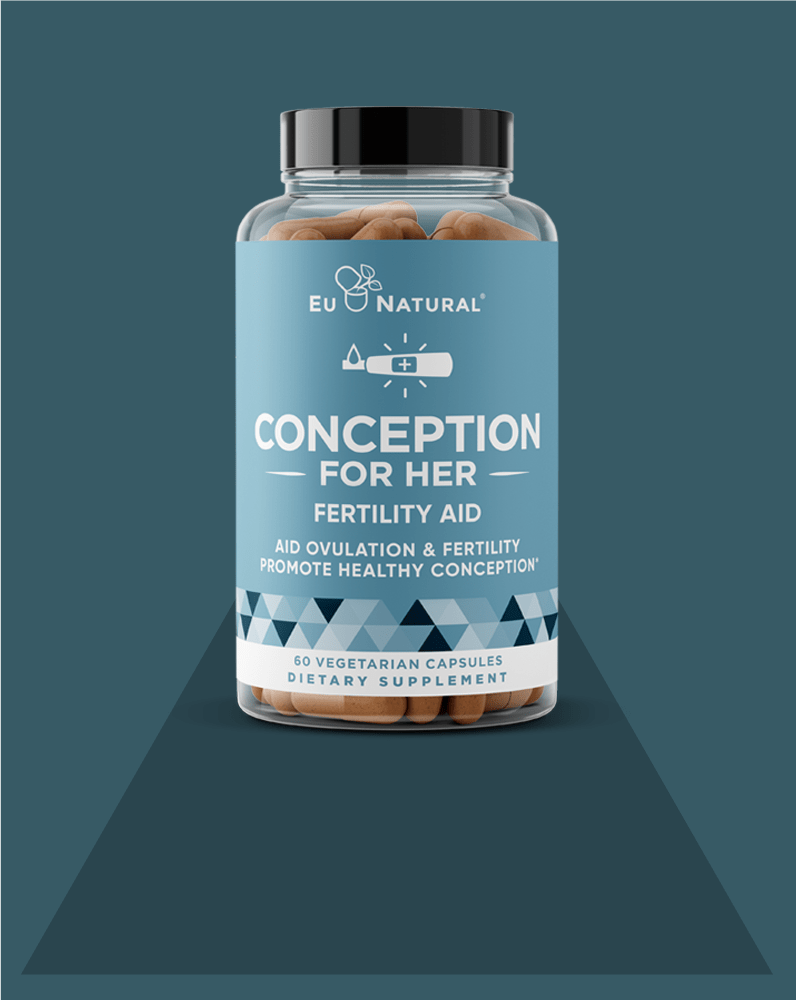
L-methylfolate, the most bioavailable form of folate, is a core ingredient in comprehensive fertility supplements like Eu Natural Conception for Her.
Vitamin D:
- Women with vitamin D levels above 75 nmol/L achieved higher pregnancy rates in Lancet-published research
- Vitamin D receptors exist in reproductive tissues, influencing ovarian follicle development, embryo implantation, and pregnancy maintenance
Omega-3 Fatty Acids (DHA/EPA):
- Reduces inflammation that can impair reproductive health
- Recommended: 200-300 mg DHA daily
- Found in fatty fish, algae supplements, or fish oil
Antioxidants:
A research analysis found that antioxidant supplementation improved pregnancy rates by 38.5% in women undergoing fertility treatment.5 Key antioxidants include vitamin C (500-1,000 mg daily), vitamin E (400 IU daily), selenium (55-200 mcg daily), and N-acetylcysteine (600-1,200 mg daily).
Iron:
- Adequate iron stores support healthy ovulation
- Women should aim for ferritin levels above 50 ng/mL when planning pregnancy
What Supplements Cannot Do:
While nutrition optimizes your body's fertility potential, supplements cannot reverse age-related egg quality decline or overcome structural reproductive issues. They work best as part of a comprehensive approach that includes healthy weight maintenance, regular exercise, stress management, adequate sleep, limited alcohol, and zero smoking.
When to Seek Medical Support
Seeking fertility support is a proactive choice that improves odds. Modern reproductive medicine offers tools from simple ovulation medications to advanced IVF techniques. The earlier you seek evaluation, the more options remain available.
Seek Evaluation After:
- Age under 35: 12 months of regular, unprotected intercourse without conception
- Age 35-40: 6 months of trying without success
- Age 40+: 3-6 months, or before attempting if you want to understand your fertility status
- Any age with known risk factors: irregular periods, PCOS, endometriosis, thyroid disorders, or history of cancer treatment
IVF Success Rates by Age (Fresh, Own Eggs):
| Age Group | Success Rate Per Cycle |
|---|---|
| Under 35 | 45-50% |
| 35-37 | 35-40% |
| 38-40 | 25-30% |
| 41-42 | 15-20% |
| 43+ | 5-10% |
Key Takeaways and Action Steps
What the Data Tells Us:
- Peak fertility occurs in the mid-twenties, with the highest cumulative conception rates (79% within 12 months) at ages 25-27
- The early thirties offer strong conception odds: 72% of women aged 30-34 conceive within 12 months naturally
- After 35, understanding when to seek support maximizes chances and minimizes time to pregnancy
- Lifestyle factors matter at every age: healthy weight, no smoking, limited alcohol, stress management, and targeted nutrition improve outcomes by 20-40%
- Modern reproductive medicine continues advancing, with IVF success rates improving year over year
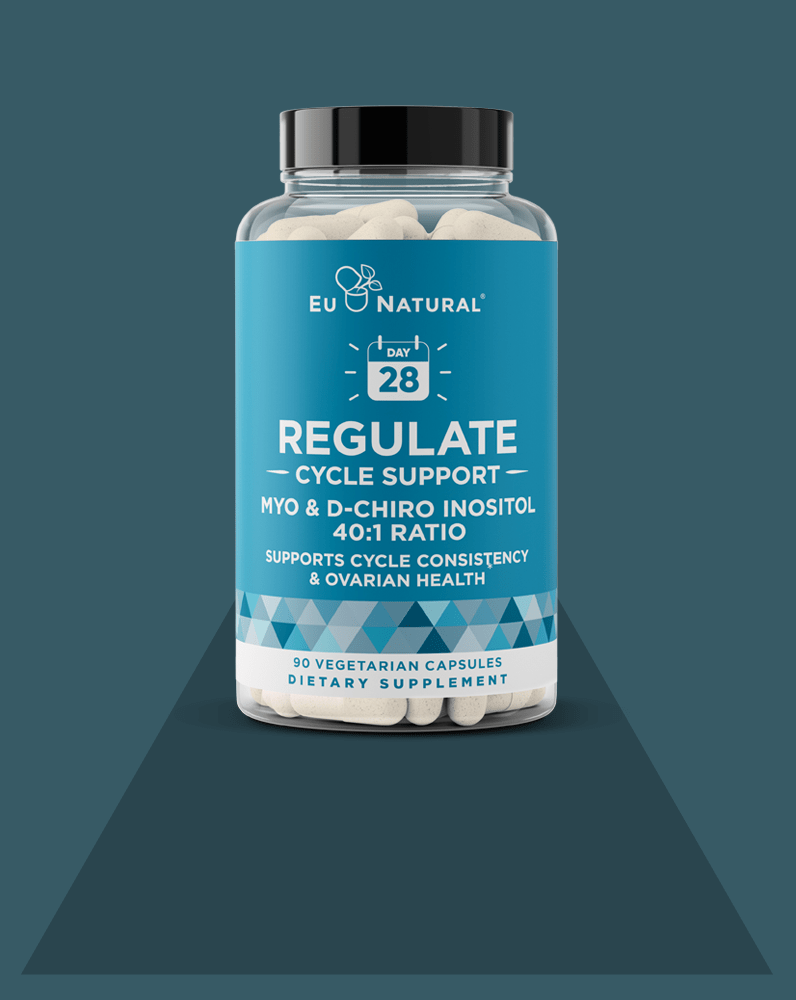
Targeted prenatal supplementation with ingredients like myo-inositol, methylfolate, vitex, and vitamin D optimizes egg quality, ovulation, and implantation at every age8
Actionable Steps Based on Your Age:
If you are in your 20s to early 30s and planning future pregnancy:
- Begin prenatal vitamins with folic acid if planning pregnancy within 1-2 years
- Establish healthy lifestyle habits now
- Track menstrual cycles to understand your patterns
- Address any irregular periods with your healthcare provider
If you are 30-34 and actively trying:
- Start prenatal vitamins immediately if not already taking them
- Track ovulation with apps, LH tests, or basal body temperature
- Time intercourse during your fertile window (5 days before through day of ovulation)
- Seek evaluation after 12 months of trying (6 months if approaching 35)
If you are 35-40 and wanting to conceive:
Begin comprehensive prenatal vitamins with fertility-supporting ingredients and antioxidants. Consider fertility assessment before actively trying if over 37. Seek specialist consultation after 6 months of unsuccessful attempts.
If you are over 40:
- Consult a fertility specialist early for baseline assessment
- Begin high-quality prenatal supplementation
- Be prepared to move quickly to treatment if natural conception does not occur within 3-6 months
- Ask about success rates with own eggs vs. donor eggs for realistic expectations
Understanding your fertility by age empowers informed decisions about family planning. Modern nutrition science and reproductive medicine offer meaningful tools to optimize conception chances at every life stage. Learn more about choosing the right vitamins for fertility to support your reproductive health.
This report is provided for informational purposes and does not constitute professional or medical advice. Consult with a healthcare provider before starting any supplement regimen or making decisions about fertility treatment, particularly if you have underlying health conditions or take medications.
Last updated: January 21, 2026
Sources
1. Eu Natural Research Study, Eu Natural, New York, January 2026.
2. National Center for Biotechnology Information (NCBI), "Age-Related Fertility Decline," StatPearls, 2025.
3. Better Health Channel, "Age and Fertility," Victoria State Government, Australia, 2025.
4. Chavarro, J.E. et al., "Use of multivitamins, intake of B vitamins, and risk of ovulatory infertility," Fertility and Sterility, 2008.
5. Lancet Medical Journal, "Vitamin D and Pregnancy Rates Study," 2024.
6. University of Utah Health, "When Should You See a Fertility Specialist," 2025.
7. Fertility Network UK, "Factors Affecting Fertility," 2025.
8. American Society for Reproductive Medicine (ASRM), "Optimizing natural fertility: committee opinion," accessed January 2026.


